A seaside metropolis that combines Gaudí’s architecture, beaches and excellent transport links with the calmer towns of the Garraf and Maresme coasts. Barcelona and its surroundings are the choice for those who want to live in Spain day to day, not just spend their holidays here.
This is a region above all for everyday life, not just for holidays. It will suit you best if:
It is a less obvious choice for those who are mainly looking for peace and quiet or a large plot at a reasonable price, or who are planning holiday lets: in Barcelona itself, that route is practically closed.
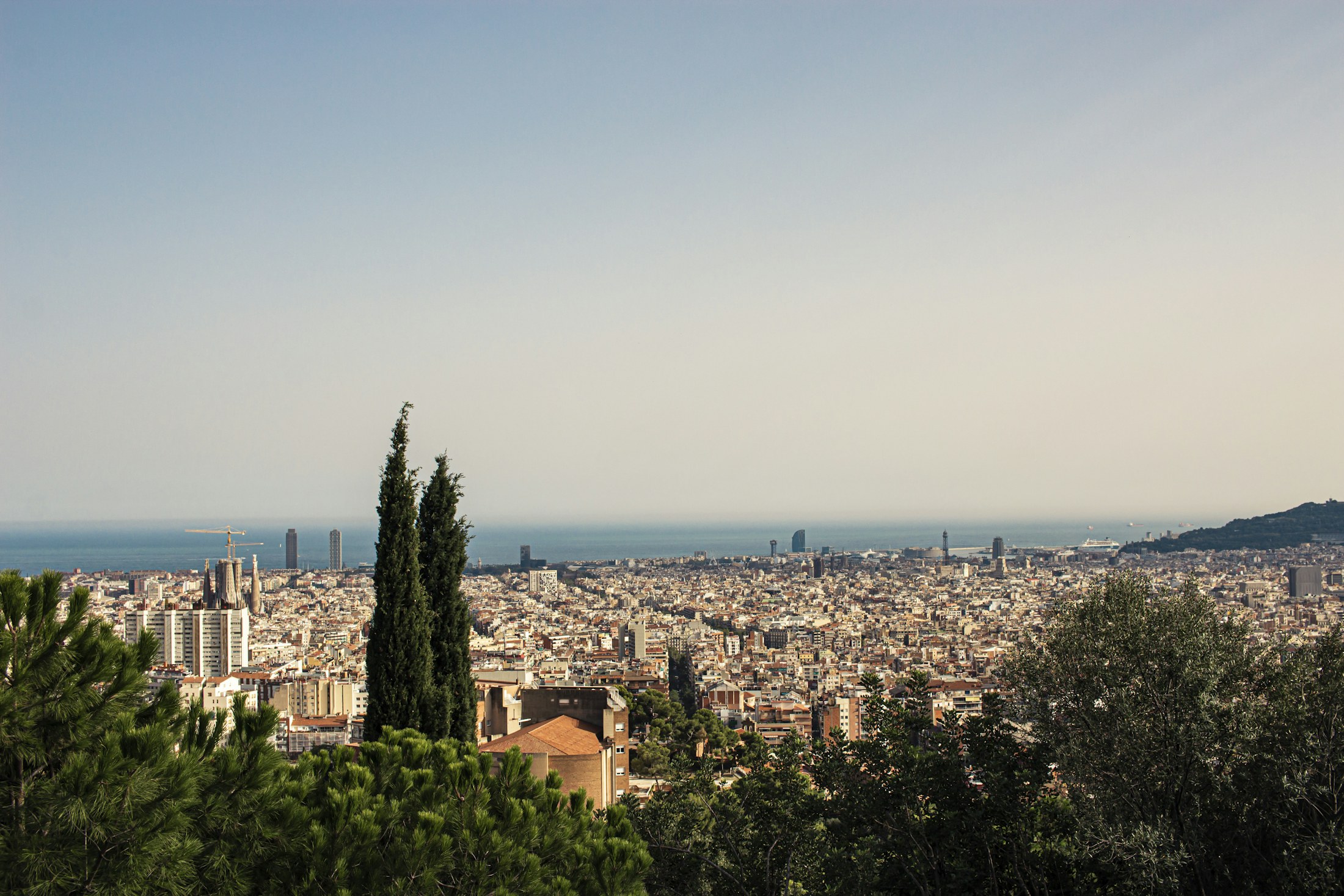
Barcelona is the capital of Catalonia and one of the most recognisable cities in Europe, but for a buyer what matters more than the postcard sights is that it is made up of very different neighbourhoods. The Eixample is a regular grid of streets with modernista apartment buildings and chamfered corners, Gràcia a former separate town with squares full of cafés, Sarrià-Sant Gervasi a green, quiet area at the foot of the Collserola hills, and Poblenou a former industrial district, now full of lofts and tech offices, with the beach a few minutes’ walk away.
Around the city stretches a second ring which, for many people, is more interesting than the centre itself. To the south lies the Garraf coast with elegant Sitges and family-friendly Castelldefels; to the north, the Maresme: a string of towns along a railway line running right by the sea, with marinas, the Alella vineyards and market gardens on the slopes. Inland, beyond Collserola, lies Sant Cugat del Vallès, a green town that is a popular choice for families with children.
Life follows the rhythm of a big city, but the Mediterranean way: a late lunch, dinner after 9 pm, markets such as La Boqueria and Sant Antoni, weekends by the sea or in the mountains, and concerts, exhibitions and festivals all year round. In August some residents leave and the city slows down – one of the few times when Barcelona feels more like a resort than a metropolis.
It is worth remembering that Catalonia is bilingual. Spanish is enough for everyday life, but public offices, state schools and some documents operate in Catalan, which matters especially if you are moving with children.
The climate is mild and Mediterranean, with high humidity from the sea. According to AEMET normals (1981–2010) for the Barcelona Aeropuerto station, the average January temperature is around 9°C (average maximum around 13.6°C) and the average August temperature around 24.4°C (average maximum around 28.5°C). Sunshine averages around 151 hours in January and around 278 hours in August.
Winters are short and mild, though they can be damp and windy; frost on the coast is rare. In older apartment buildings without insulation, however, winter can feel colder than the figures suggest, so heating and well-sealed windows are a genuine necessity. Summer is warm and humid, especially in July and August, when nights in the city stay warm; air conditioning in the bedrooms is very useful then.
The most pleasant months are May, June, September and October. Autumn can bring short, heavy downpours. In terms of seasonality, what matters is that Barcelona, unlike many resorts, does not “shut down” after the summer: restaurants, shops and services operate normally all year round, including in the seaside towns closest to the city.
The grand city centre, with modernista apartment buildings, high ceilings, balconies and Catalan vaulted ceilings. The Dreta de l’Eixample (closer to Passeig de Gràcia) is more prestigious and more expensive, while the Esquerra de l’Eixample is more residential and local. It is the address for those who want everything within walking distance and do not mind the bustle of the city.
A former separate town absorbed by Barcelona: narrow streets, squares with cafés, lower buildings and a strong sense of community. Flats are usually smaller than in the Eixample and often have no lift, but they have plenty of charm. In August, during the Festa Major de Gràcia, the neighbourhood is lively and loud until late for a whole week.
The quietest and greenest districts in the city, set higher up, with villas, apartments with terraces and a wide choice of schools, including international ones. The choice of families and those seeking peace within the city limits, at the cost of a longer trip to the beach and one of the highest price levels in Barcelona.
A former factory district by the beach, now a modern part of the city with lofts in converted warehouses, new developments and the offices of tech companies (the 22@ district). A good option for young professionals and those who want the sea as part of everyday life, although some streets still have an industrial, unfinished feel.
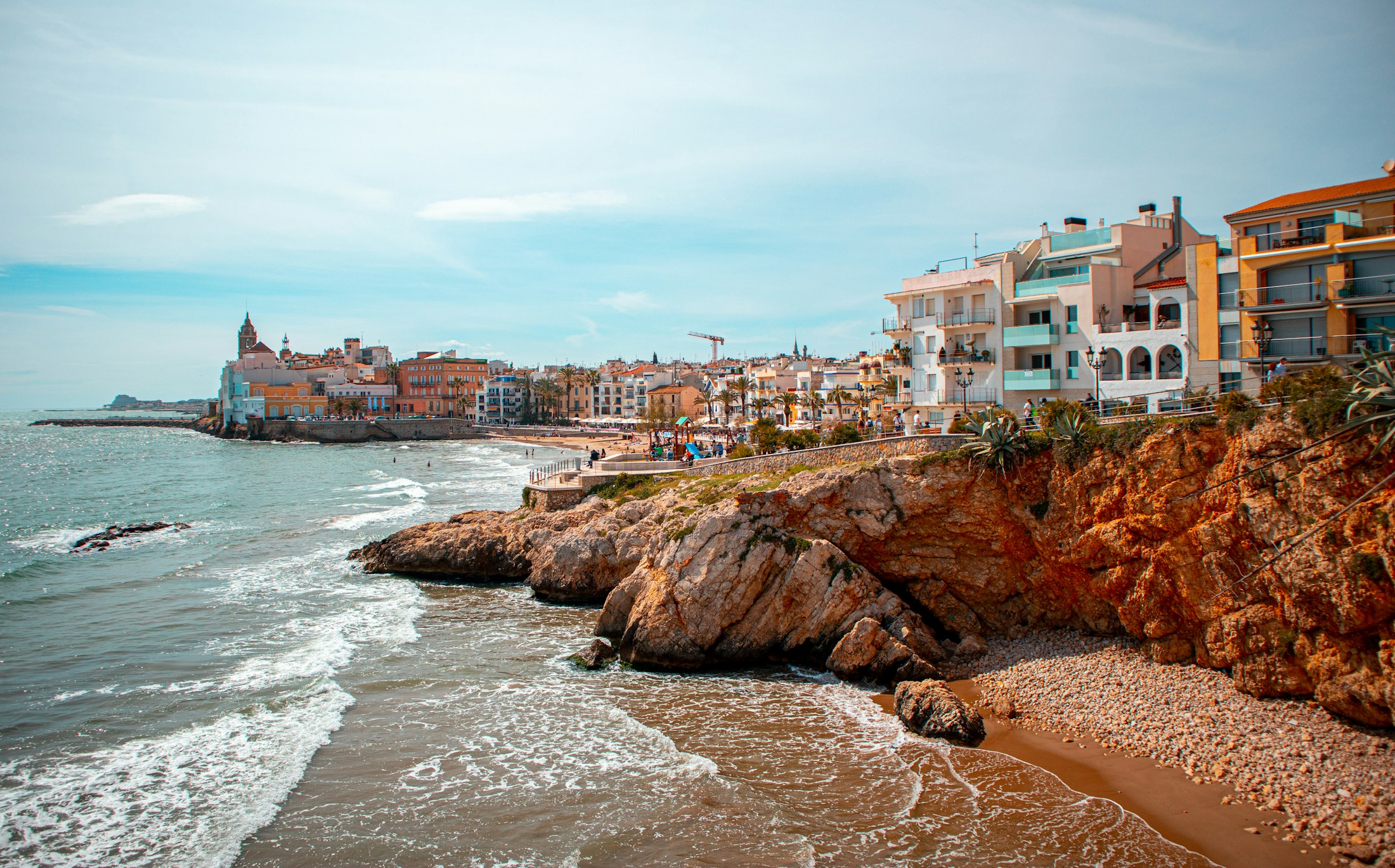
An elegant town on the Garraf coast with a whitewashed old town, a dozen or so beaches, a rich cultural life and a fast rail link to Barcelona. It is lively all year round, has a large international community and works both as a second home and for permanent living. Supply in the centre is limited and prices are high for a town of its size.
A long, wide beach, neighbourhoods of houses with gardens on the hillsides and El Prat airport right next door. Castelldefels is more practical and less picture-postcard than Sitges, but convenient for families and frequent flyers.
Seaside towns north of Barcelona, served by the R1 commuter line, with marinas and the Alella vineyards. The further from the city, the quieter and usually the more affordable. The downside is the railway line, which in many places separates the towns from the beach.
A green town beyond the Collserola hills, with a Romanesque monastery, a wide choice of schools (including international ones) and houses with gardens. No sea, but a very high quality of life for families and a good rail link to central Barcelona.
Limitations worth knowing about:
Year-round living is the natural purpose of this region. Barcelona, Sant Cugat, Castelldefels and Sitges have full infrastructure 12 months a year, and commuting to work or school is predictable.
A second home works better in Sitges or on the Maresme than in the city centre: it is easier to find a terrace, a view and peace, while Barcelona stays within reach by train. A flat in the city as a second home makes sense mainly if you come often and for short stays: concerts, meetings, weekends.
As an investment the region calls for caution. In 2024 Barcelona announced that it will not renew tourist-rental licences expiring in 2028, and since November 2023 Catalonia has had rules in place (Decret llei 3/2023) restricting new licences in 262 municipalities. Long-term rentals are subject to the national housing law (Ley 12/2023), which allows rents to be capped in areas designated as “stressed”, and Catalonia has used this option since 2024. Since the start of 2026, Catalonia’s Llei 11/2025 of 29 December 2025 has also extended these limits to seasonal lets and room rentals. We do not provide profit forecasts; every investment is worth analysing individually, with the current regulations to hand.
The character of the market. This is a large, active urban market: plenty of transactions, plenty of local and foreign buyers, and the best properties rarely stay on the market for long. Flats in communal buildings predominate; houses within the city limits are the exception. Prices vary greatly between districts and even between streets, which is why comparing “average prices for Barcelona” says little about a specific property.
This information is general in nature and does not constitute legal or tax advice. Before buying, it is advisable to consult an independent lawyer and tax adviser.
Barcelona is the city of Catalan modernisme – of architects such as Antoni Gaudí, Lluís Domènech i Montaner and Josep Puig i Cadafalch – but also of the everyday, refined architecture of the Eixample apartment buildings: Catalan brick vaults (volta catalana), patterned hydraulic tiles, timber joinery with tall balcony windows and internal courtyards that bring light into the flats. In Poblenou, by contrast, brick, steel and the large glazed openings of former factories dominate.
When renovating, it is worth preserving what is most valuable – the vaults, original floors, doors and cornices – and combining it with a calm, light interior: natural wood, linen, ceramics and warm white. The typical layout of these buildings (a long corridor with rooms leading one into the next) often benefits from opening up the living area on the balcony side. This contrast between history and contemporary simplicity creates interiors that do not date after a few seasons.
Within Catalonia, Barcelona and its surroundings are the natural choice for those who want to work here, raise children and enjoy culture, with the sea close at hand. The city itself offers energy and infrastructure, while Sitges, Castelldefels, the Maresme and Sant Cugat offer more space and peace, still close to the centre. If, however, your priority is holiday lets, a large house with a garden on a reasonable budget or peace and quiet away from the city’s pace, it is better to consider the Costa Brava or the Costa Daurada.
Sources: AEMET – Barcelona Aeropuerto climate normals (1981–2010) · Aena – Barcelona-El Prat Airport · Ajuntament de Barcelona – HUT licences · Generalitat de Catalunya – Decret llei 3/2023 · BOE – Ley Orgánica 1/2025 (amendment to the Ley de Propiedad Horizontal) · BOE – Real Decreto 1312/2024 (short-term rental register) · BOE – Ley 12/2023 on the right to housing · DOGC/BOE – Llei 11/2025 of 29 December 2025 (seasonal lets and room rentals). Information as of September 2026.
Tell me about your plans. I will help you choose the right location and find a property that suits your lifestyle.