The island of "eternal spring", with the Teide volcano, green valleys in the north and a sunny south. Tenerife attracts people who want to swap winter for gentle warmth – for a few months a year or for good.
For many people, Tenerife is the answer to the question of where in Europe to spend a winter without winter. The island will suit you best if:
It is less suited to those who want to fly in often for short weekends or who are looking for a Mediterranean climate with distinct seasons.
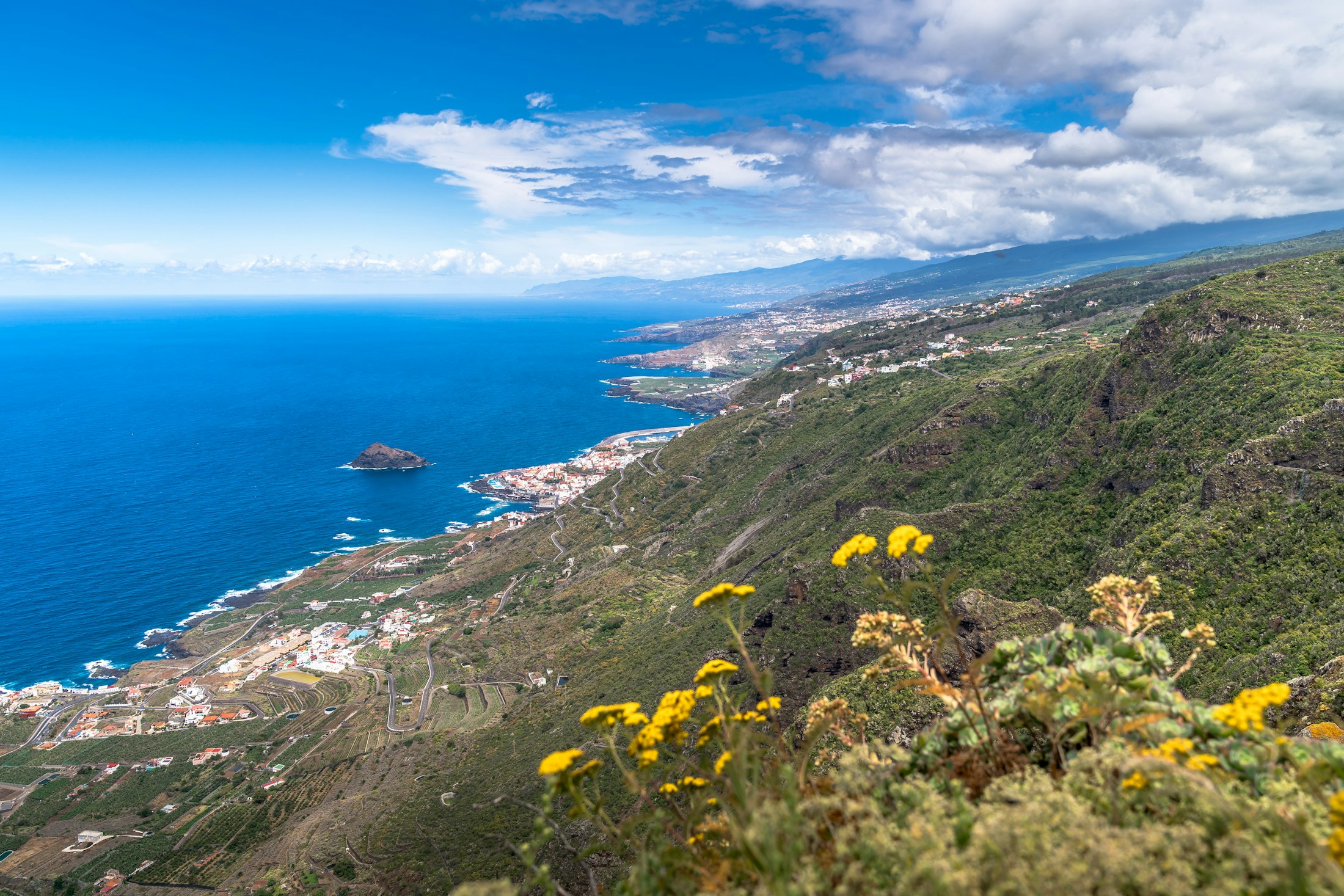
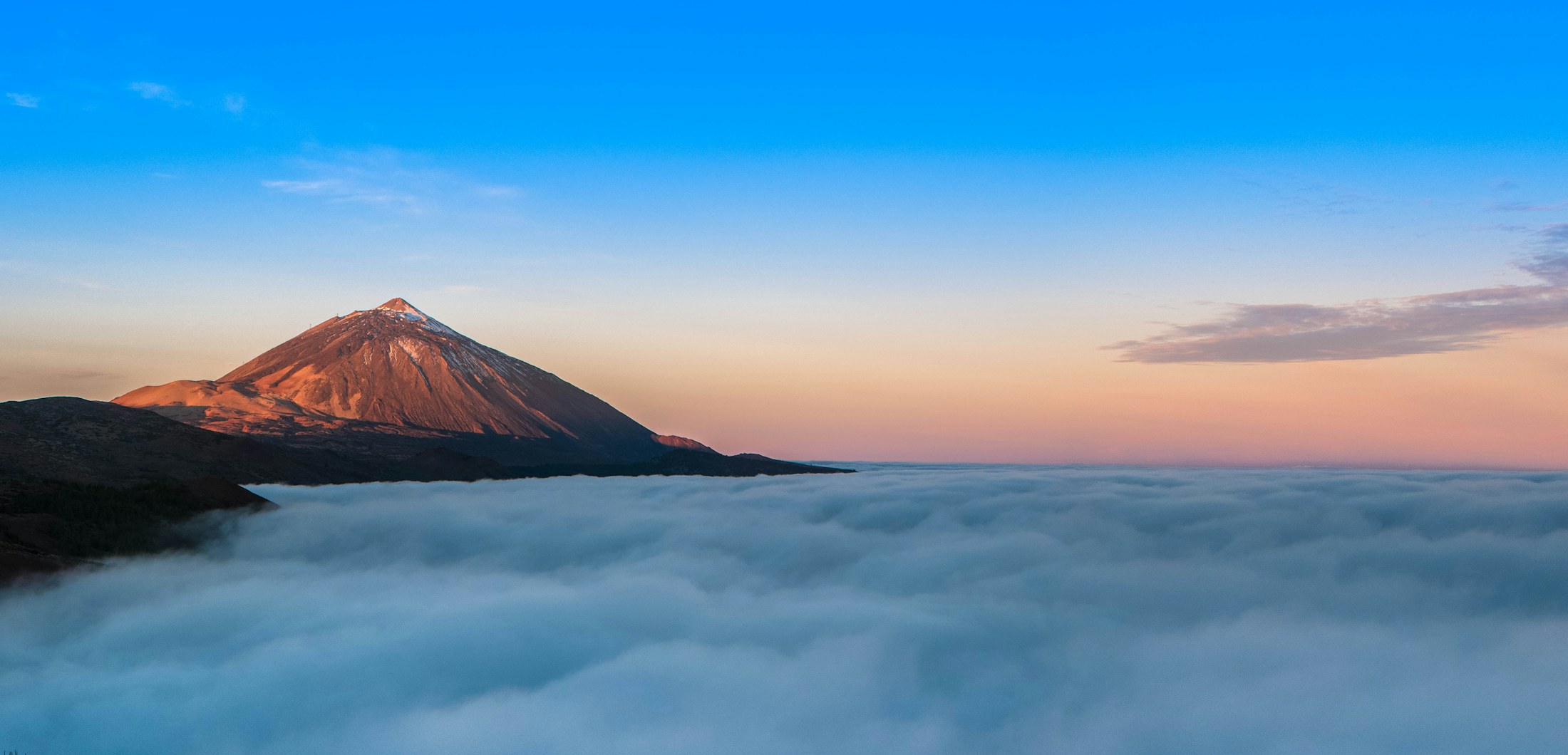
Tenerife is the largest of the Canary Islands. Towering over it is Teide – Spain's highest peak, surrounded by a UNESCO-listed national park. The island has two distinct faces, and for a buyer the difference between them matters more than the choice of a particular town.
The south – Costa Adeje, Los Cristianos, Playa de las Américas and El Médano – is dry, sunny and touristy, with a wide range of services and an international community. The west coast, with Los Gigantes and Puerto de Santiago, impresses with its cliffs and slower pace. The north – Puerto de la Cruz, La Orotava, Garachico and the wine-growing towns of Tacoronte and El Sauzal – is green, more humid and authentically Canarian, with colonial architecture and banana plantations. In the north-east lie the capital, Santa Cruz, and San Cristóbal de La Laguna, a university city on the UNESCO World Heritage List.
The lifestyle is calm and relaxed: the ocean, mountain trails, local wines, markets and Canarian cuisine with papas arrugadas and mojo. Residents live at a similar pace all year round, with no obvious "end of season". The foreign community is large – especially in the south – while in the north it is easier to immerse yourself in local life.
According to AEMET climate normals (1981–2010) for the Tenerife South Airport station, the average temperature is around 18.4°C in January (average maximum around 21.7°C) and around 24.7°C in August (average maximum around 28.4°C). Annual rainfall totals around 132 mm.
The differences between the seasons are small – this is one of the most stable climates in Europe. The differences within the island are far greater: the north is cooler and more often cloudy (trade-wind clouds), and it gets cooler with every hundred metres of altitude – a house on the hills above the sea may need heating in winter, and it sometimes snows in the mountains.
A few times a year the calima arrives – hot air from the Sahara carrying dust that reduces visibility and can be unpleasant. The ocean is cooler than the Mediterranean in summer but much warmer in winter. The island is perfectly suited to year-round living.
The most prestigious part of the south, with luxury hotels, golf courses and villas overlooking La Gomera. Full infrastructure, international schools and the highest prices on the island.
A year-round town with a ferry port serving La Gomera and La Palma, plus the quieter, sheltered Palm-Mar. Plenty of sunshine and services, close to Tenerife South Airport.
A surf and kitesurf town with natural beaches and a laid-back feel, a few minutes from the airport. Windy, young and relaxed.
The west coast at the foot of monumental cliffs, with a marina, sunsets and a slower pace than Costa Adeje. Plenty of apartments with ocean views.
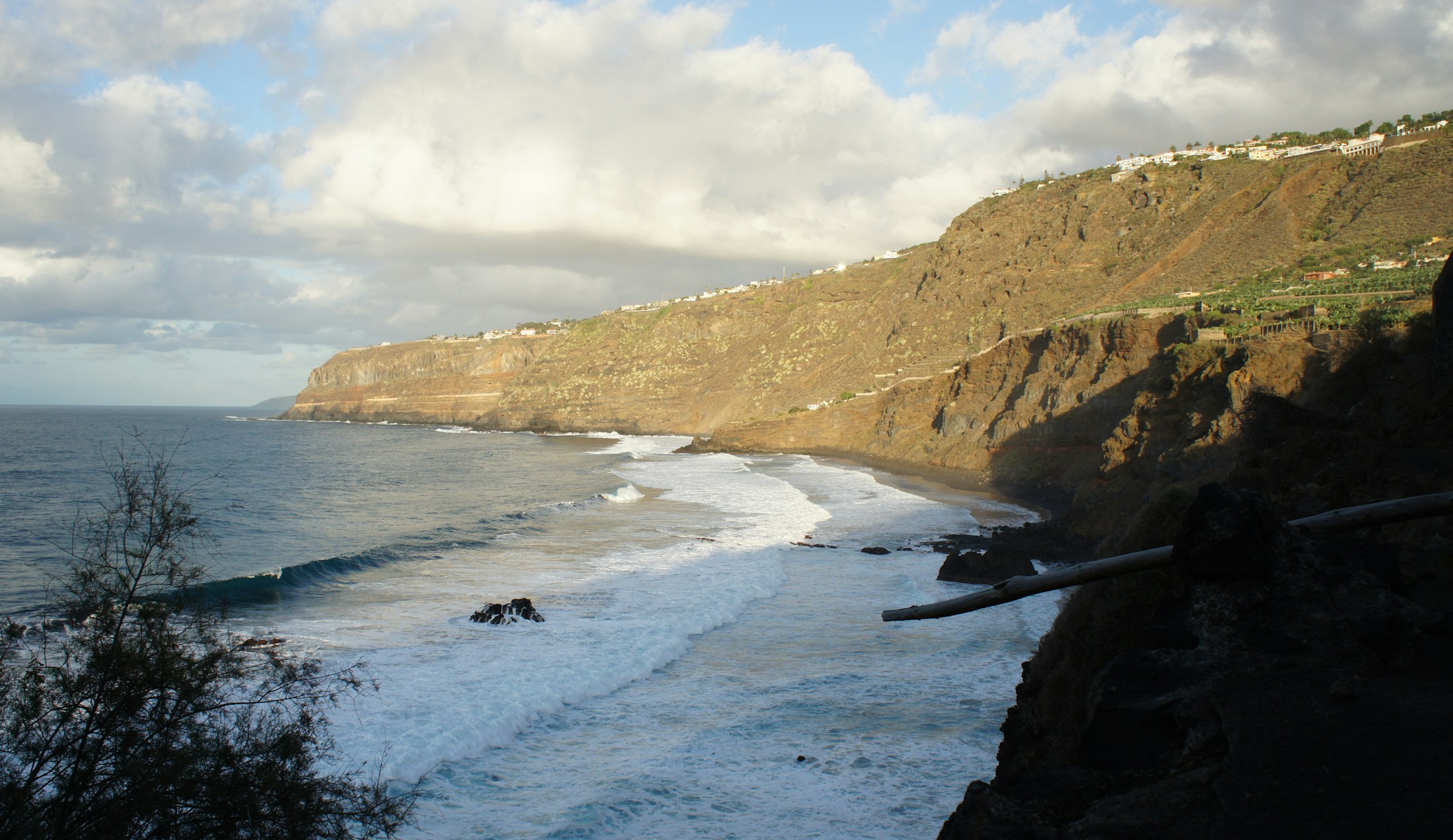
The green north, with historic architecture, gardens and views of Teide. Puerto de la Cruz is one of the island's oldest resorts, and La Orotava a colonial town with palaces. Authentic and usually more affordable than the south.
A historic town by the ocean, with natural pools in the volcanic rock. Intimate and atmospheric, with very limited supply.
University and administrative cities with full infrastructure, hospitals and Tenerife North Airport close by. For those who want to live on the island day to day, with work, school and culture.
Limitations worth knowing about:
Year-round living is one of Tenerife's strengths – in La Laguna, Santa Cruz, Puerto de la Cruz and Costa Adeje everything works 12 months a year. Families most often choose the south (international schools) or the area around La Laguna (university, hospitals).
A second home on Tenerife is usually a "winter home": a few weeks or months between November and March. So it is worth choosing a location with the winter weather in mind – the south and west are noticeably sunnier than the north at that time of year.
As an investment the island has tourist demand all year round, but in December 2025 the Canary Islands passed a new holiday-let law (Ley 6/2025), which significantly tightens the rules for holiday flats and gives municipalities tools to limit them. Since July 2025, short-term rental listings must also carry a number from the national register (Real Decreto 1312/2024). Before buying with letting in mind, you need to check carefully what is possible for the specific property. We do not provide profit forecasts.
The character of the market. The market is clearly divided: the south means holiday properties and international buyers, while the north and the area around the capital are a local market, with lower prices and residents buying for themselves. There are few new developments relative to demand, and tourism regulations affect the prices of apartments in tourist complexes.
This information is general in nature and does not constitute legal or tax advice. Before buying, it is advisable to consult an independent lawyer and tax adviser.
Traditional Canarian architecture means colourful façades, balconies made of Canary pine (madera de tea), inner patios filled with plants and volcanic stone. La Orotava and La Laguna are its finest examples. César Manrique also left his mark on Tenerife – he designed the Lago Martiánez pool complex in Puerto de la Cruz – showing how modern architecture can be woven into a volcanic landscape.
Interiors work well when dark wood and volcanic stone are combined with white and natural fabrics, plus plenty of greenery. Contemporary villas pair these materials with large expanses of glass opening onto the ocean. In the north, it is worth bearing the damp in mind – breathable materials, good ventilation and sheltered terraces are a practical necessity here.
Tenerife is an island for those who want year-round warmth, nature and a relaxed lifestyle – and accept a longer journey from Poland. The south offers sunshine and convenience, the north authenticity and greenery, and La Laguna and Santa Cruz full city life. If you are torn between the islands, compare it with Gran Canaria, which has a more urban character.
Sources: AEMET – climate normals for Tenerife South Airport (1981–2010) · Aena – Tenerife South Airport · UNESCO – Teide National Park · BOE – Ley 6/2025 (Canary Islands) on holiday lets · BOE – Real Decreto 1312/2024 (short-term rental register). Information as of September 2026.
Tell me about your plans. I will help you choose the right location and find a property that suits your lifestyle.