A "continent in miniature" – from the Maspalomas dunes to green ravines and mountain villages around Roque Nublo. Gran Canaria combines a mild climate all year round with Las Palmas, one of the most pleasant cities to live in in the Canary Islands.
Gran Canaria combines a mild climate all year round with something many islands lack – a real, large city. It will be a good choice if:
It is less suited to frequent short trips, to those seeking quiet away from built-up areas, or to plans to buy for holiday letting.
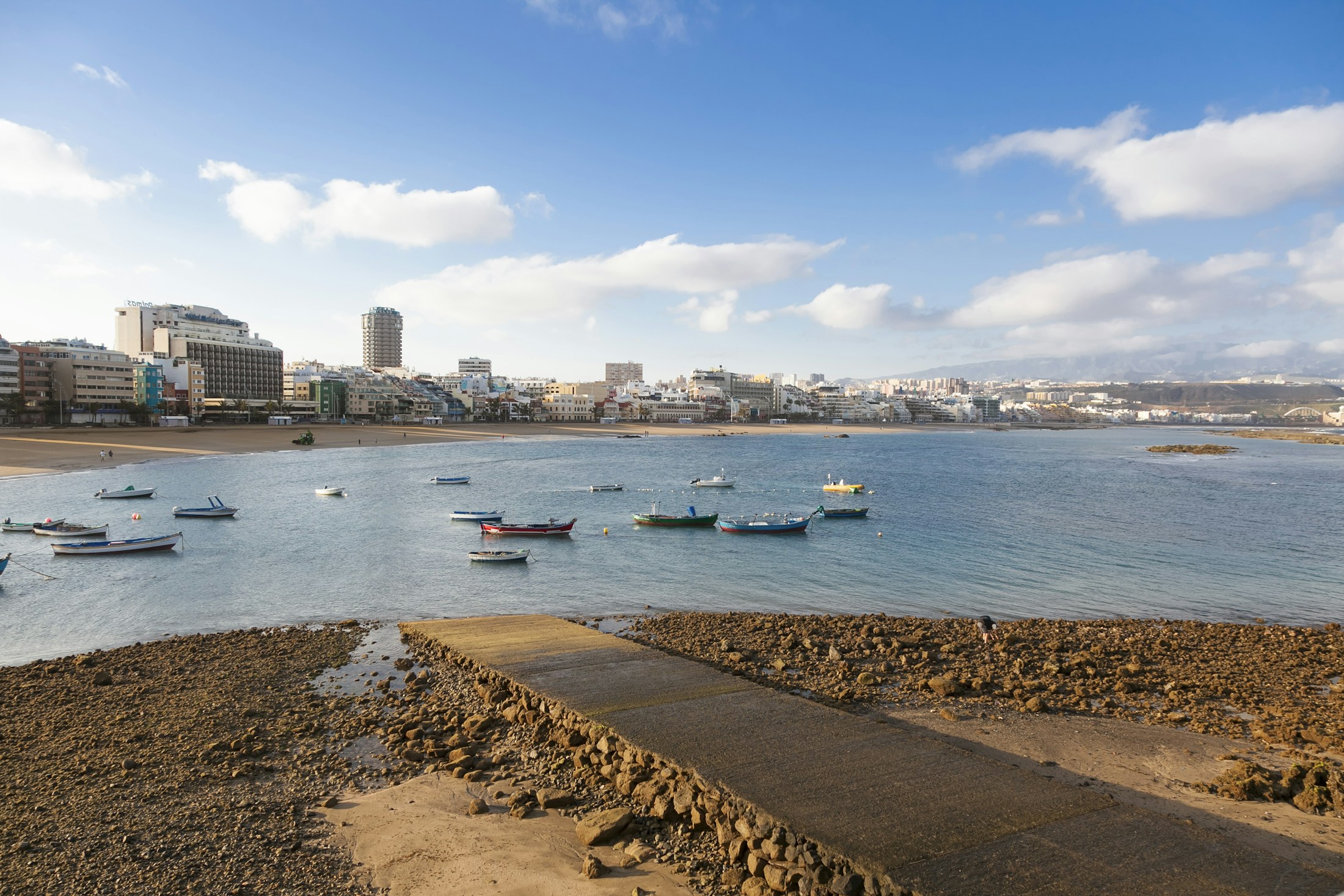
Gran Canaria is an almost round island with a mountainous centre and a very varied coastline – hence its nickname, the "continent in miniature". In the north-east lies Las Palmas – the largest city in the archipelago, with the Las Canteras urban beach, the historic districts of Vegueta and Triana, a port and full infrastructure.
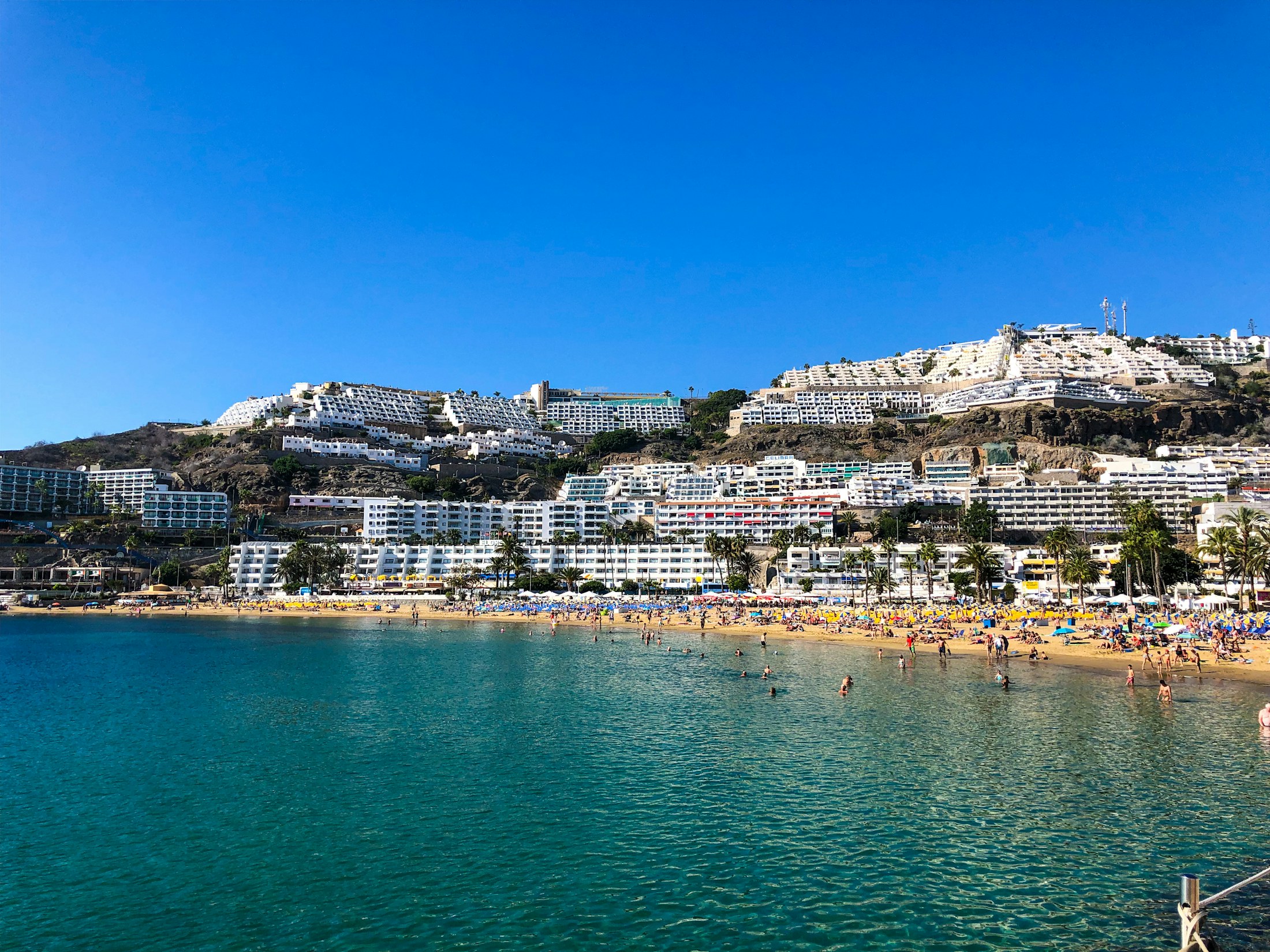
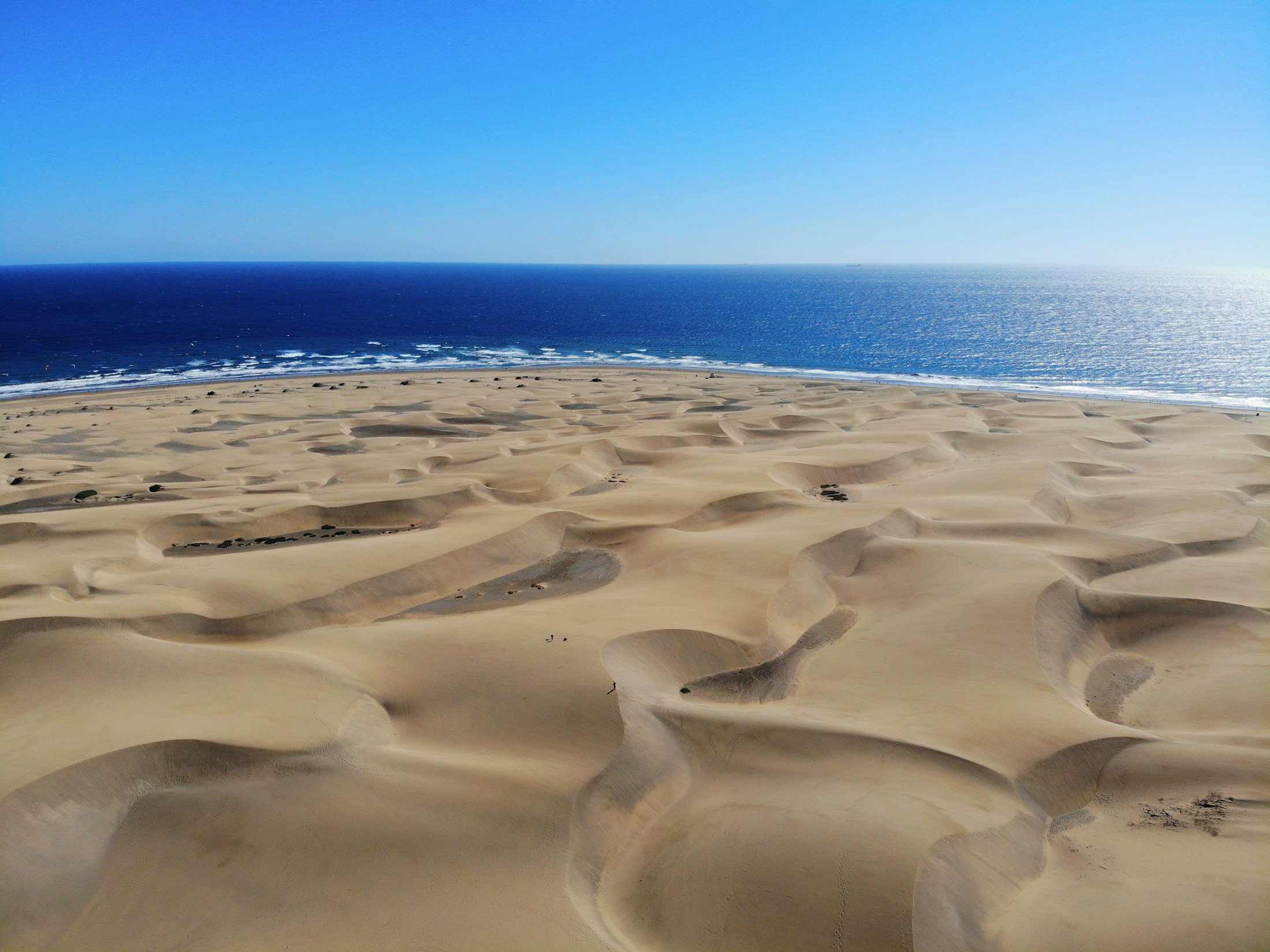
The south – Maspalomas, Playa del Inglés and Meloneras – means sunshine, dunes (a nature reserve), golf courses and tourism, and further west Arguineguín, Puerto Rico and Puerto de Mogán, known as "Little Venice" for its canals and flowers. The north, with Arucas, Firgas and Gáldar, is banana plantations, rum and quiet towns. The north-west, with Agaete and the Agaete Valley, is green and wild, while the island's interior – with Tejeda, Roque Nublo and the cave houses of Artenara – is a mountain world partly inscribed on the UNESCO list (Risco Caído and the Sacred Mountains). On the hills above Las Palmas, in Santa Brígida and Tafira, residents have for generations built houses with gardens in a cooler climate.
The lifestyle is relaxed and urban at the same time: the beach after work, markets, coffee in Vegueta and weekends in the mountains. Las Palmas has one of the mildest urban climates in Europe, and its carnival is one of the biggest in Spain.
According to AEMET climate normals (1981–2010) for the Gran Canaria Airport station, the average temperature is around 17.9°C in January and around 24.6°C in August. Annual rainfall totals around 151 mm.
The climate is stable all year round. The south is sunnier and drier; the north is more often cloudy from the trade-wind clouds, but greener. In summer Las Palmas can be overcast in the mornings (the so-called panza de burro), which residents appreciate as natural air conditioning. It can be cool in the mountains, and frosts occur in winter.
A few times a year the calima blows in – hot, dusty air from the Sahara. Living here permanently is comfortable, and the difference between "the season" and the rest of the year is much smaller than on the mainland.
Apartments by the Las Canteras urban beach, period buildings in the historic centre and villas in the garden district of Ciudad Jardín. For those who want to live in the city, with full infrastructure and public transport.
Green hills above Las Palmas, with houses with gardens, vineyards and a cooler climate. The choice of local families – calm, with the city a short drive below.
Sunshine, dunes, golf courses and a promenade. Popular for second homes and winter stays, with a wide choice of bungalows and apartments. Neighbouring Playa del Inglés is busier and more party-oriented.
Arguineguín is a genuine fishing town with a market, while Puerto de Mogán is a colourful harbour with canals and a calm bay. Intimate and very sunny, although the hillsides in the area can be densely built up.
A green valley growing coffee and tropical fruit, the harbour of Puerto de las Nieves and natural pools. For those seeking authenticity – with a longer drive to the airport.
Towns among banana plantations, with a basilica of volcanic stone and a rum distillery. Local, affordable and close to Las Palmas.
Mountain villages with views of Roque Nublo and traditional houses, including cave homes. Quiet, nature and cooler evenings.
Limitations worth knowing about:
Year-round living is best planned in Las Palmas, Santa Brígida or Arguineguín – that is where normal urban or local life goes on. Las Palmas is particularly convenient for people without a car and for remote workers.
A second home is usually a winter apartment in the sunny south – in Maspalomas, Meloneras or around Mogán – for a few weeks or months between November and March.
As an investment Gran Canaria attracts tourists 12 months a year, and Las Palmas has a stable long-term rental market driven by students, workers and remote workers. Holiday letting, however, is subject to the new, stricter Canarian law (Ley 6/2025), and since July 2025 every short-term rental listing has required a number from the national register (Real Decreto 1312/2024). Check the rules for the specific property. We do not provide profit forecasts.
The character of the market. The market has two distinct segments: an urban, local one in Las Palmas and a holiday, international one in the south – particularly popular with buyers from Scandinavia and Germany. Many apartments in the south are in complexes designated for tourist use, which matters a great deal for whether you can live in them and let them. In Las Palmas, the supply of flats is limited relative to demand.
This information is general in nature and does not constitute legal or tax advice. Before buying, it is advisable to consult an independent lawyer and tax adviser.
The historic Vegueta district is all colonial houses with colourful façades, wooden balconies and patios, which became a model for architecture in Latin America. Triana adds the Modernista façades of its shopping street, and the north stone churches of dark volcanic tuff. Houses carved into the rock survive in the mountains, while white modern villas and bungalows with terraces dominate the south.
Interiors work well when natural wood, volcanic stone and white are combined with colourful accents inspired by the façades of Vegueta. Plenty of greenery and an opening onto the ocean complete the character. In cave houses, pale lime finishes and well-considered lighting are key to turning a raw space into a cosy interior.
Gran Canaria combines year-round warmth with the urban comforts of Las Palmas, with beaches and mountains a short drive away. It works both as a winter home in the sunny south and as a place to live permanently in the city or on the green hills. If you are looking for a quieter, more resort-like atmosphere, compare it with Tenerife.
Sources: AEMET – climate normals for Gran Canaria Airport (1981–2010) · Aena – Gran Canaria Airport · UNESCO – Risco Caído · BOE – Ley 6/2025 (Canary Islands) on holiday lets · BOE – Real Decreto 1312/2024 (short-term rental register). Information as of September 2026.
Tell me about your plans. I will help you choose the right location and find a property that suits your lifestyle.