The Atlantic face of Andalusia: long, wild beaches, white hilltop towns and the light that gave this coast its name. The Costa de la Luz stands for authenticity, nature and a calm pace of life – far from the dense development of the Mediterranean coast.
The Costa de la Luz is the Atlantic and most "unspoilt" part of Spain's southern coast. It will delight above all people who:
It will be harder going for those who need a major airport close by, a warm sea for swimming from May or an extensive network of international schools.
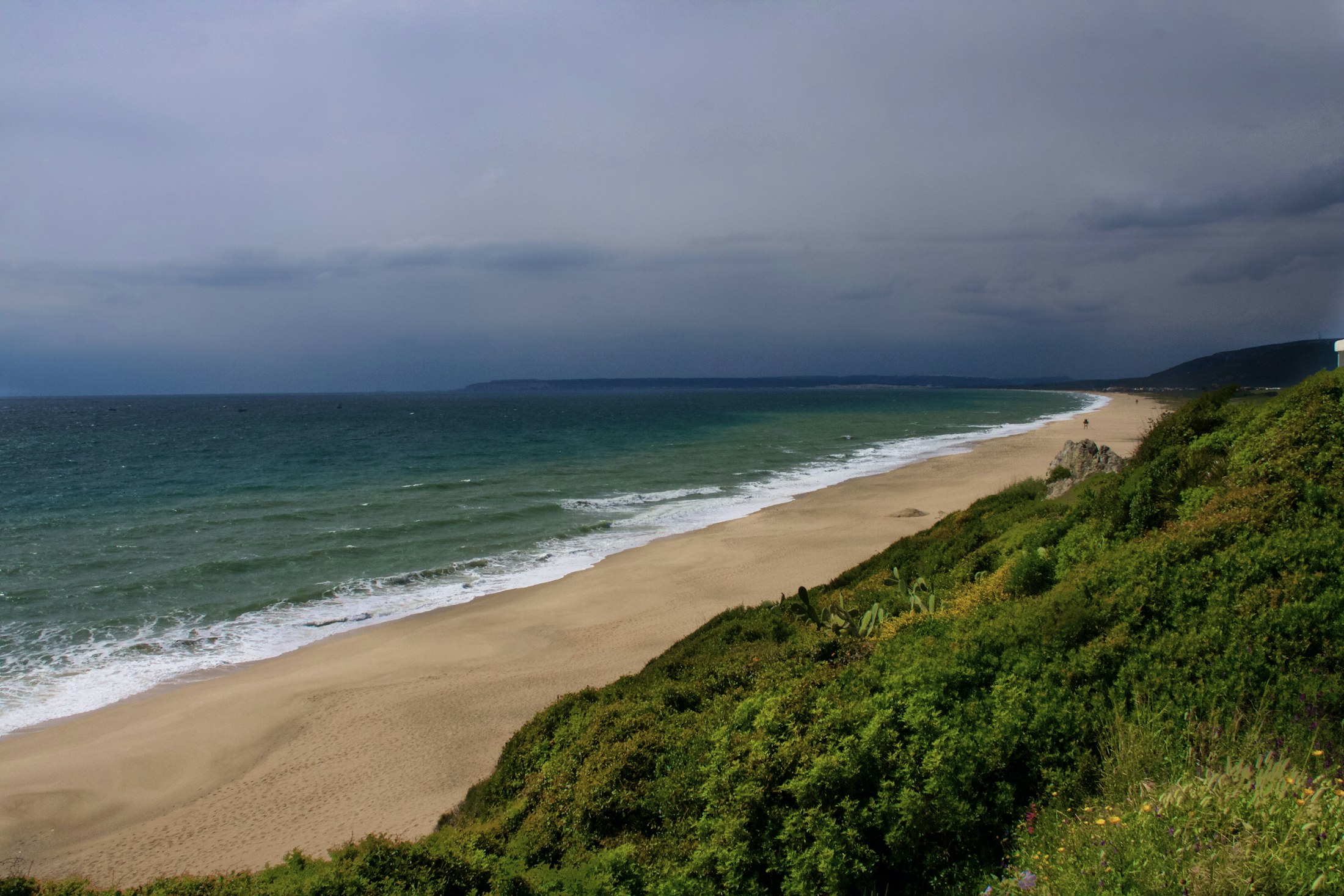
The Costa de la Luz stretches along the Atlantic from the Portuguese border through the province of Huelva to Tarifa in the province of Cádiz. The Huelva section is all long beaches, pine forests, wetlands and quiet resorts visited mainly by Spanish families. The most sought-after part, however, is the Cádiz section: wide beaches of fine sand, dunes, cliffs and white towns.
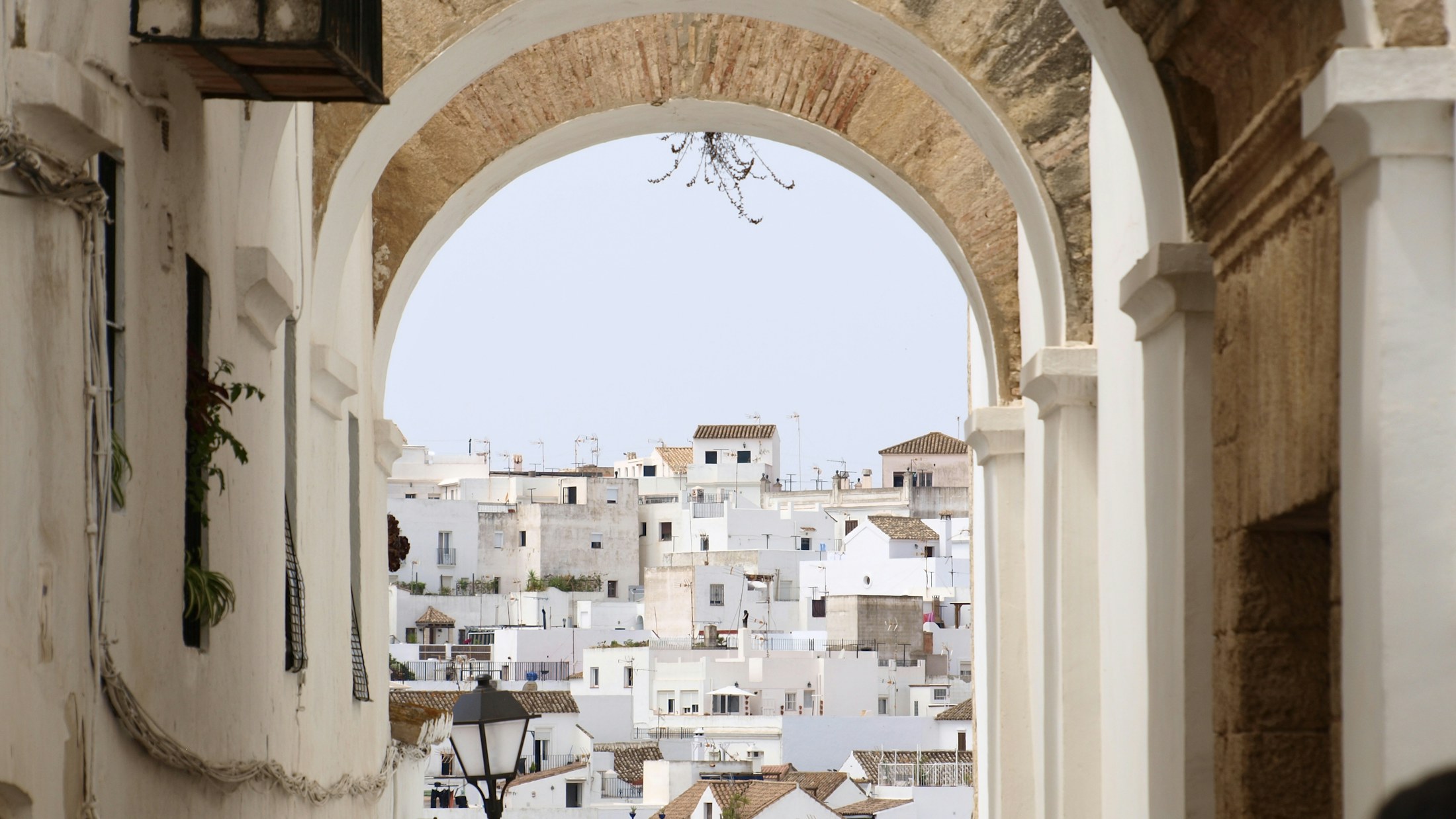
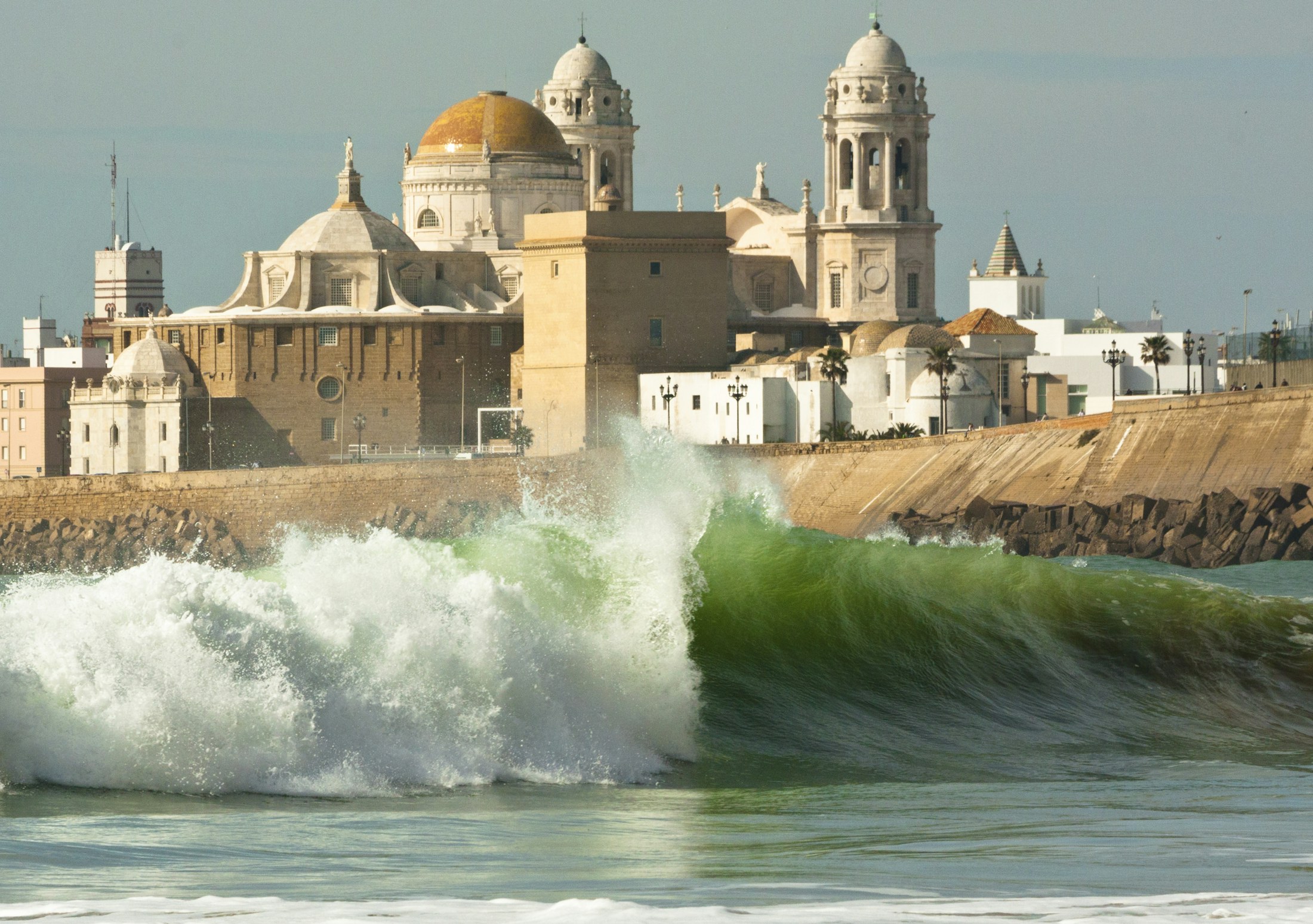
Cádiz is one of Europe's oldest cities, surrounded by the sea on three sides, with a carnival all of its own. Vejer de la Frontera charms with its white Moorish old town on a hill, Conil with its fishing-village atmosphere, Zahara de los Atunes with its almadraba tuna-fishing tradition, and Tarifa with its wind, kitesurfing and views of Africa. To the north lie El Puerto de Santa María and Sanlúcar de Barrameda, known for sherry and manzanilla, and on the other side of the Guadalquivir – Doñana National Park.
The pace of life is calm and very local, with a distinct holiday buzz in summer, when families from Seville and Madrid arrive. Out of season many restaurants in the small towns close, but in Cádiz, El Puerto and Vejer life goes on all year round.
According to AEMET climate normals (1981–2010) for the Cádiz station, the average temperature is around 12.7°C in January (average maximum around 16°C) and around 25°C in August (average maximum around 27.9°C). Annual rainfall totals around 523 mm.
The ocean tempers the climate: winters are mild and summers less scorching than inland Andalusia – in summer the difference from Seville, just over an hour's drive away, is huge. The winds are characteristic: the easterly levante – dry, gusty and able to blow for several days in a row – and the more humid westerly poniente. They are felt most strongly around Tarifa, Bolonia and Zahara.
The Atlantic is cooler than the Mediterranean, and the swimming season is shorter. Rain falls mainly from November to March. It is perfectly comfortable to live here all year round, and spring and autumn are exceptionally beautiful.
A white old town on a hill, boutique hotels and restaurants, and a few kilometres away El Palmar beach, a favourite with surfers. It is lively all year round and has a sizeable international community. For those seeking character and beauty – old-town houses are rare, and cortijos dominate the countryside.
Conil is a fishing town with long beaches and a lively atmosphere in summer. Nearby Roche is an estate of villas among the pines, above small coves at the foot of the cliffs – quieter and more private.
A small town with one of the region's most beautiful beaches and famous tuna cuisine, and next to it Atlanterra, with villas on the hillside above the ocean. Limited supply, a calm atmosphere and marked seasonality.
The southernmost point of continental Europe and the capital of kitesurfing, with views of Morocco and ferries to Tangier. For active types who accept the wind as part of everyday life.
A year-round, historic city by the sea – apartments in old buildings with roof terraces, and near the La Caleta and Victoria beaches. There is little space to build, so supply is limited.
Towns of sherry, seafood and sunsets over the Guadalquivir, with full infrastructure and more affordable prices. Good for year-round living, with Jerez and Seville within driving distance.
Isla Cristina, Islantilla, El Rompido or Mazagón – quiet, family-friendly towns among pines and wetlands, usually considerably cheaper than in the province of Cádiz, with the airports of Seville and Faro in Portugal within driving distance.
Limitations worth knowing about:
Year-round living is best planned in Cádiz, El Puerto de Santa María, Sanlúcar, Chiclana or Vejer – that is where the schools, clinics, shops and year-round social life are. Zahara or Roche can feel very empty in winter.
A second home is the natural role of this coast: a house in Vejer's old town, a villa among the pines in Roche or an apartment in Conil – for summer and for spring and autumn stays, when the wind drops and the beaches are empty.
As an investment the Costa de la Luz is distinctly seasonal – most visitors come in July and August. Every holiday flat must appear in the Andalusian register, and under Decreto 31/2024 (since 2024) municipalities can introduce limits – check the current rules in the specific town before you buy. In addition, since April 2025 the community of owners can block a new holiday let, as the consent of three-fifths of the owners is required (Ley Orgánica 1/2025). We do not provide profit forecasts.
The character of the market. Buyers from Spain predominate – residents of Seville, Madrid and Andalusia itself – but the group of northern Europeans is growing, particularly around Vejer, Tarifa and Zahara. Supply in the most sought-after spots is very limited because of coastal protection. Prices vary widely: Zahara and Roche are among the expensive ones, while the Huelva coast is among the most affordable in Andalusia.
This information is general in nature and does not constitute legal or tax advice. Before buying, it is advisable to consult an independent lawyer and tax adviser.
White houses with thick walls, inner patios, roof terraces (azoteas), wrought-iron grilles and Moorish arches – the architecture of Vejer and Cádiz is pure Andalusia. Cádiz also has distinctive lookout towers (torres miradores), from which merchants watched for ships. Cortijos with whitewashed walls and wooden beams dominate the countryside, while Jerez and Sanlúcar have monumental bodegas with high vaulted ceilings.
Interiors suit a style inspired by the Atlantic and North Africa: white, sand, natural fabrics, wicker, weathered wood, handmade ceramics and green plants in the patio. Given the damp and the salty breeze, it is worth choosing resilient materials – lime plaster, solid wood, ceramics – and ensuring good ventilation.
The Costa de la Luz draws people in with nature, light and authenticity – it is best suited to those who will fall for the ocean, the wind and the white towns. It is a less resort-like, more genuine region: ideal for a second home with character and, in Cádiz, El Puerto or Vejer, for living all year round too. If you need more infrastructure and an international lifestyle, consider the Costa del Sol.
Sources: AEMET – climate normals for Cádiz (1981–2010) · Aena – Jerez Airport · Junta de Andalucía – tourism register · BOJA – Decreto 31/2024 (holiday flats in Andalusia) · BOE – Ley Orgánica 1/2025 (amendment to the Ley de Propiedad Horizontal) · BOE – Real Decreto 1312/2024 (short-term rental register) · BOE – Ley 22/1988 de Costas. Information as of September 2026.
Tell me about your plans. I will help you choose the right location and find a property that suits your lifestyle.