The largest and most varied of the Balearic Islands: cosmopolitan Palma, stone villages in the UNESCO-listed Tramuntana mountains, turquoise coves in the east and the island's farming heartland. Mallorca is an island for those who want everything in one place.
Mallorca is large and varied enough to accommodate very different lifestyles – from a city apartment in Palma to a stone finca in the mountains. The island particularly appeals to people who:
It is better to look elsewhere if you are counting on affordable prices, plan to buy for holiday letting or find summer crowds on the roads and beaches hard to bear.
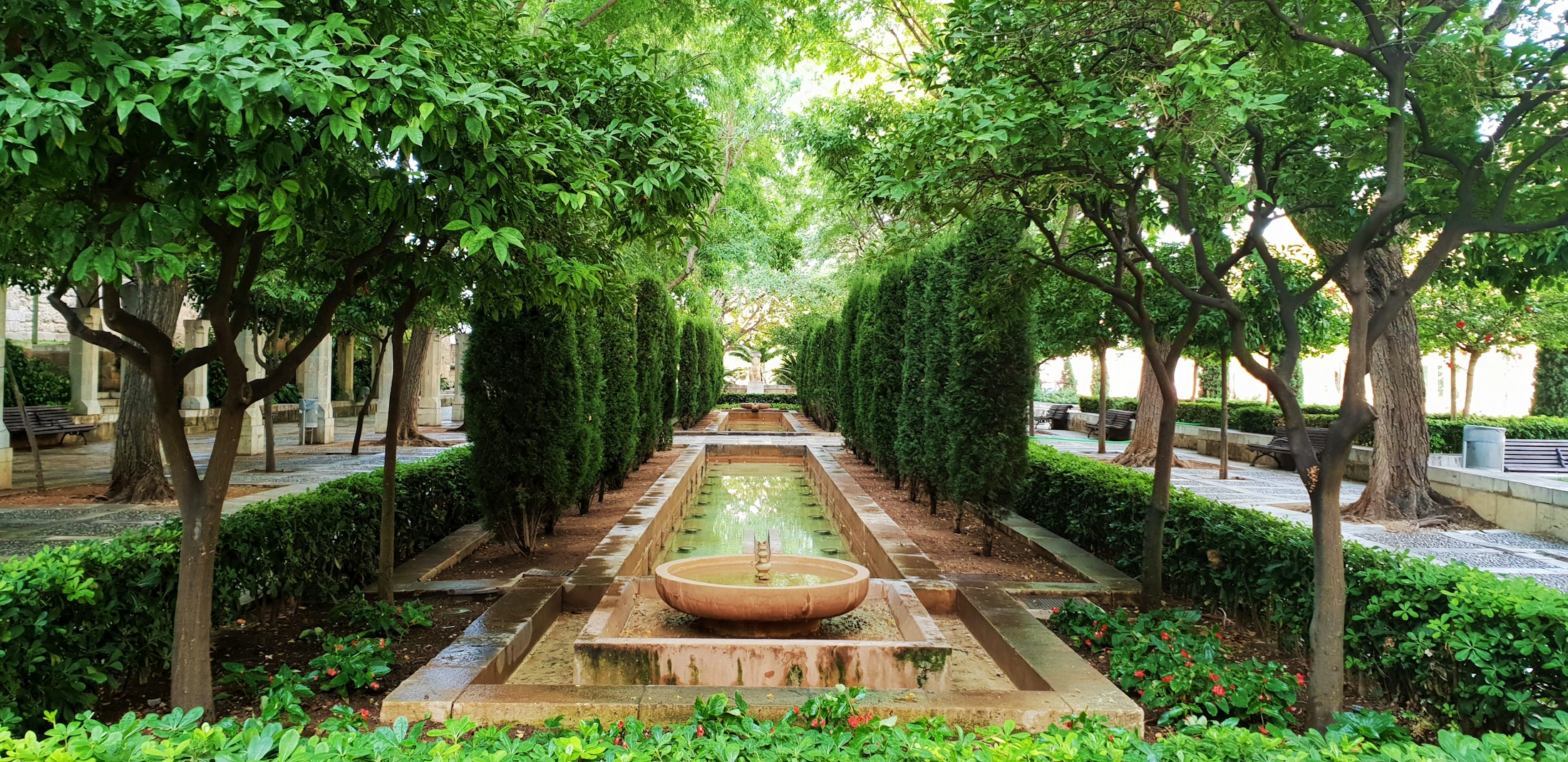
Palma is an elegant, year-round city with the Gothic La Seu cathedral, an old town full of palace courtyards, the fashionable districts of Santa Catalina and Portixol and one of the Mediterranean's most important marinas. Almost half of the island's population lives in Palma, and the city does not slow down after the season.
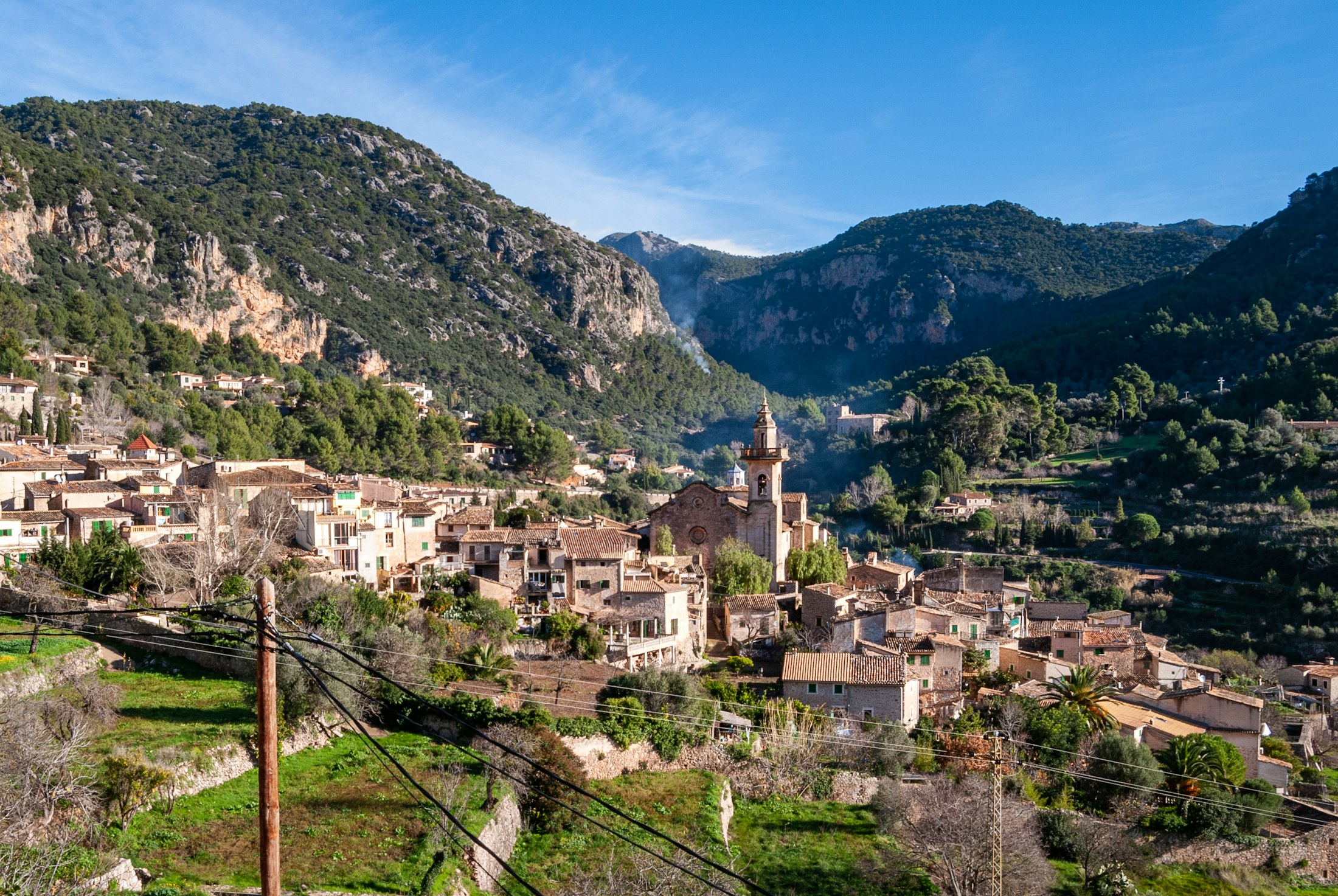
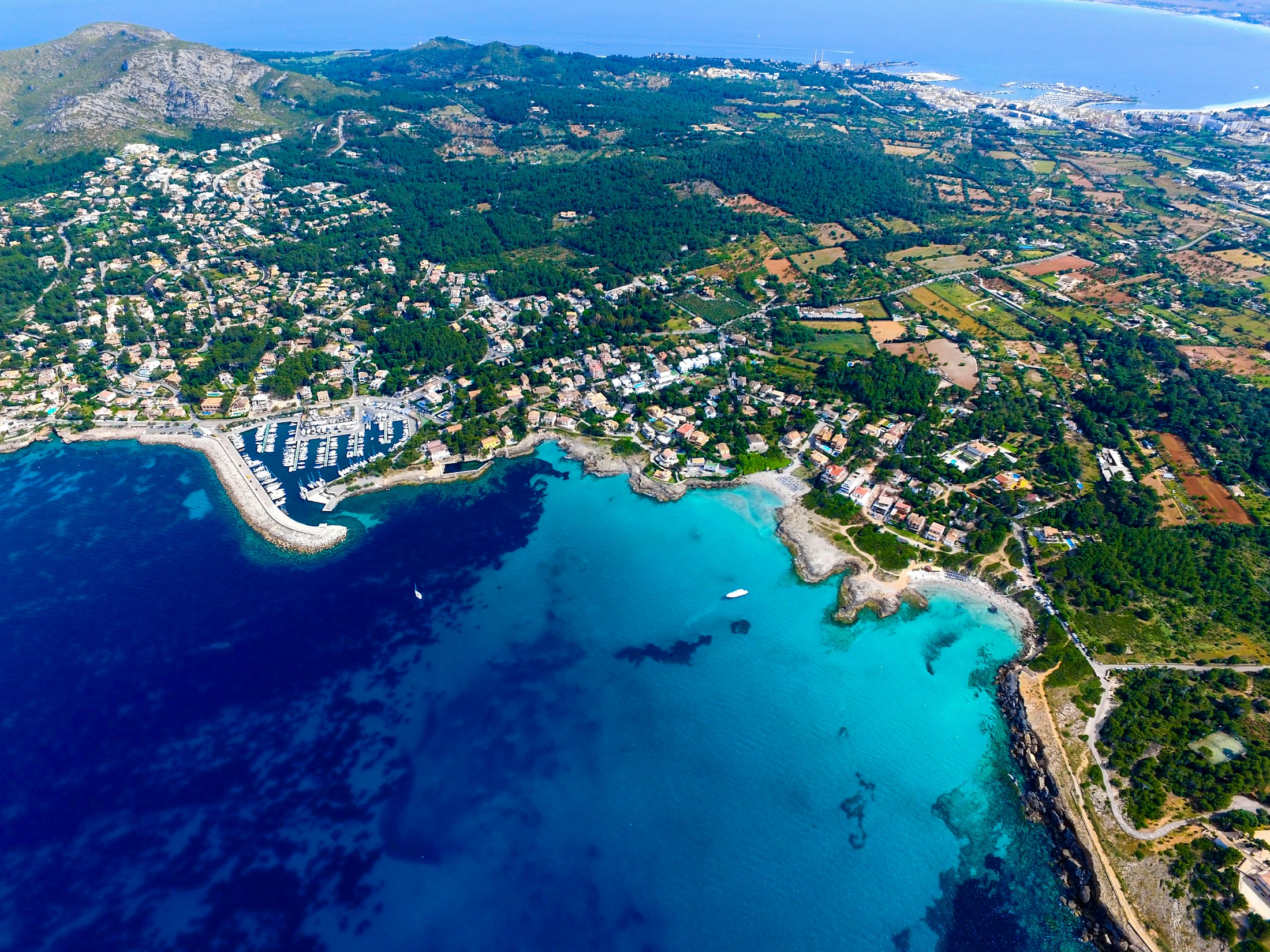
The north-west coast is formed by the Serra de Tramuntana – a UNESCO cultural landscape – with the stone villages of Deià, Valldemossa, Fornalutx and Sóller, terraced olive groves and winding roads above the sea. To the north lie Pollença and Alcúdia with their wide bays, to the east Artà and Capdepera, and to the south-east Santanyí, Cala d'Or and dozens of turquoise coves. At the centre stretches the Pla de Mallorca: a farming region of small towns, vineyards and markets, such as Sineu, where life is calmer and usually cheaper.
The lifestyle combines cosmopolitanism with tradition: morning markets, wines from Binissalem, cycling trips into the mountains, sailing and dinners in the villages. The island is bilingual (Spanish and the Mallorcan variety of Catalan), and the international community – especially German, British and Scandinavian – is large and well organised.
According to AEMET climate normals (1981–2010) for the Palma de Mallorca Airport station, the average temperature is around 9.5°C in January (average maximum around 15.2°C) and around 25.1°C in August (average maximum around 31.3°C). Annual sunshine totals around 2,756 hours.
Summers are hot and sunny; winters are mild by day but with chilly nights – especially inland and in the mountains, where frosts occur and even snow on the Tramuntana peaks. Stone houses need good heating, and those in the valleys need protection against damp.
The beach season runs from May to October, and spring and autumn are the best time for an active break. In winter some resorts all but shut down, whereas Palma, Sóller, Pollença and the towns in the centre of the island are lively all year round. In summer the island struggles with tourist pressure and limited water resources.
Apartments in historic old-town palaces, fashionable Santa Catalina by the port, and the former fishing districts of Portixol and Molinar with houses by the sea. On the hills above the city lies the villa district of Son Vida. For those who want to live on the island all year round.
Stone villages in the Tramuntana mountains, with an artistic history, the former Carthusian monastery in Valldemossa and sea views. Exclusive, with very limited supply and strict building rules.
A valley of orange groves, a historic train and tram, and a bay. The perfect combination of mountains and sea, with year-round life and a strong international community.
A luxurious harbour with villas on the hillsides and sunsets. One of the island's most prestigious addresses, with a wide choice of modern villas.
A town built of marès stone, with a market and close to the loveliest coves in this part of the island – Cala Llombards, Caló des Moro, Cala Figuera. Boutique and intimate, with rising prices.
Historic Pollença with mountains as a backdrop, and the family-friendly bay of Alcúdia with its wide, shallow beach. Calm, elegant and with good infrastructure.
Farming towns in the centre of the island, with markets, vineyards and stone houses. No sea outside the window, but lower prices, peace and quiet, and Palma within half an hour or so.
Limitations worth knowing about:
Year-round living is entirely possible here – in Palma, Sóller, Pollença, Alcúdia or the towns of the Pla de Mallorca – with international schools, hospitals and an airport operating all year round.
A second home is Mallorca's classic role: an apartment in Palma for frequent trips, a house in the Tramuntana for spring and autumn, or a villa by a cove for the summer. It is worth remembering that a house left empty for most of the year needs looking after – the garden, the pool and regular checks.
As an investment calls for great caution. Holiday letting in the Balearics is strictly regulated and requires a licence; since April 2025, regional rules (Decreto-ley 4/2025) have prohibited the creation of new tourist places in multi-family buildings. In 2026 Palma was processing planning changes aimed at banning new holiday-let places in residential properties – check whether they have come into force before you buy. Many licences are tied to specific houses – before buying, check whether the property has one and on what terms. We do not provide profit forecasts.
The character of the market. This is a premium market with international reach and a large share of buyers from Germany, the UK, Scandinavia and Switzerland. The best properties are often sold off-market. Supply is restricted by landscape protection and building regulations, which makes good houses – particularly those with a holiday-let licence – rare.
This information is general in nature and does not constitute legal or tax advice. Before buying, it is advisable to consult an independent lawyer and tax adviser.
Mallorcan architecture is defined by golden marès sandstone, green shutters (persianes mallorquines), the courtyards of Palma's palaces and dry-stone walls (pedra en sec) – a craft inscribed on UNESCO's list of intangible cultural heritage. Palma also has Modernisme, including Gaudí's work in the cathedral and Art Nouveau façades in the centre.
Interiors look beautiful when stone, timber beams, lime plaster and clay floors are combined with Mallorcan roba de llengües fabrics and their distinctive "flame" pattern. A calm, warm palette and respect for the original materials are the key to a home with soul. When renovating a finca, it is worth keeping the thick walls, the small windows on the windward side and the vaulted ceilings, and bringing in modernity in the kitchen, bathrooms and lighting.
Mallorca combines nature, culture and the comforts of city life – with excellent connections all year round. It is a purchase that calls for a higher budget, patience and a good understanding of local regulations, especially with fincas and letting plans. If you are looking for more quiet, consider Menorca; if you want energy and Mediterranean glamour, Ibiza.
Sources: AEMET – climate normals for Palma de Mallorca Airport (1981–2010) · Aena – Palma de Mallorca Airport · UNESCO – Serra de Tramuntana · Govern de les Illes Balears – Decreto-ley 4/2025 · Ajuntament de Palma – urban planning and holiday lets · BOE – Real Decreto 1312/2024 (short-term rental register). Information as of September 2026.
Tell me about your plans. I will help you choose the right location and find a property that suits your lifestyle.
Explore also