The calmest of the Balearic Islands: a UNESCO Biosphere Reserve, turquoise coves among the pines, green fields bordered by dry-stone walls and two historic towns. Menorca is an island for those looking for nature, quiet and a family-friendly pace of life.
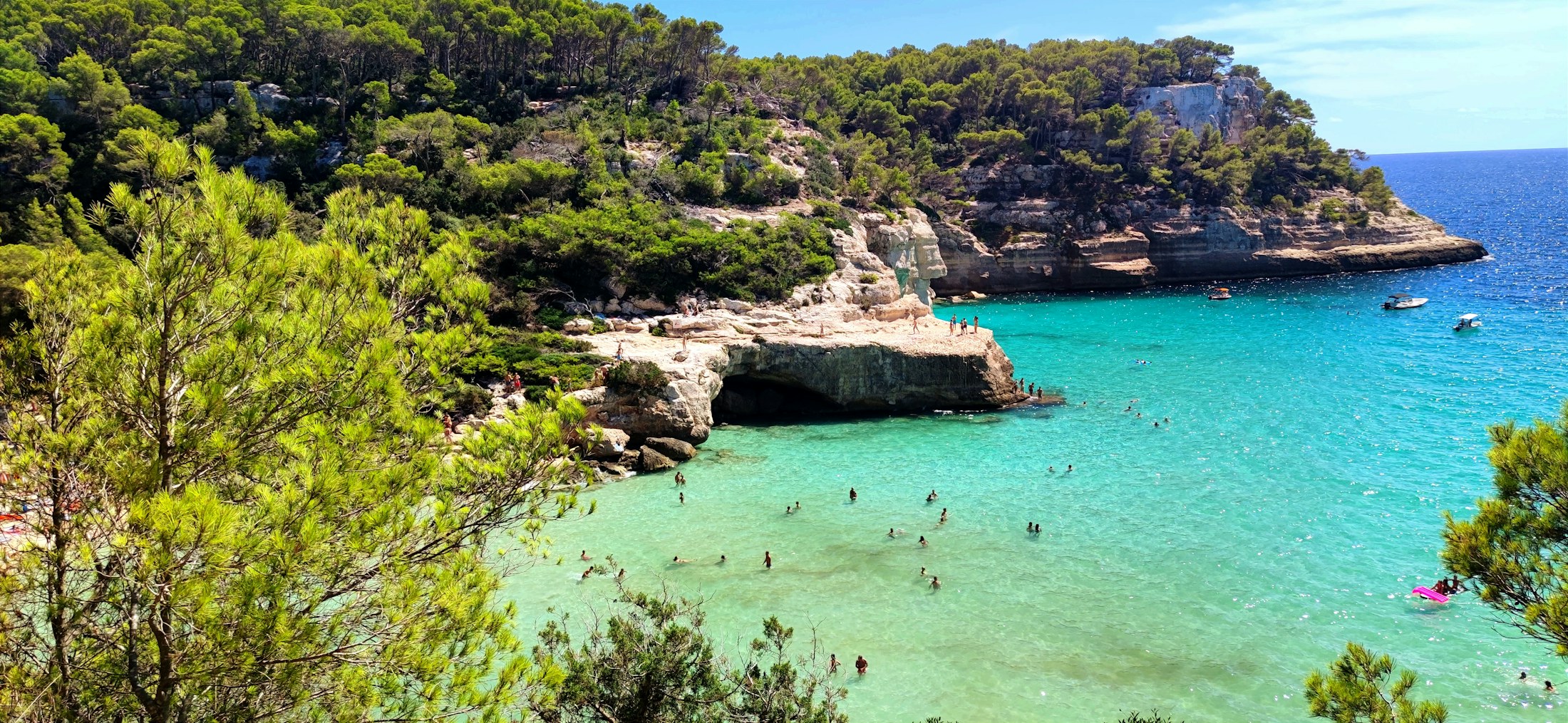
Menorca is the Balearics at their most peaceful – no big resorts, protected nature and a family-friendly pace of life. It is best suited to people who:
It will suit less well those who want to fly direct in winter, need a rich cultural programme all year round or plan to buy for holiday letting.
Menorca has been a UNESCO Biosphere Reserve since 1993, and its prehistoric heritage – the Talayotic culture – was inscribed on the World Heritage List in 2023. The historic Camí de Cavalls trail runs around the island, linking beaches, coves and lighthouses.
The island has two poles. Maó, the capital in the east, sits on one of the largest natural harbours in the Mediterranean, and its architecture bears traces of 18th-century British rule. Ciutadella in the west is the former capital, with palaces, a cathedral and a romantic harbour, famous for the June fiesta of Sant Joan with horses in the streets. Between them lie the quiet inland towns – Alaior, Es Mercadal, Es Migjorn Gran – with cheese dairies and green fields bordered by dry-stone walls.
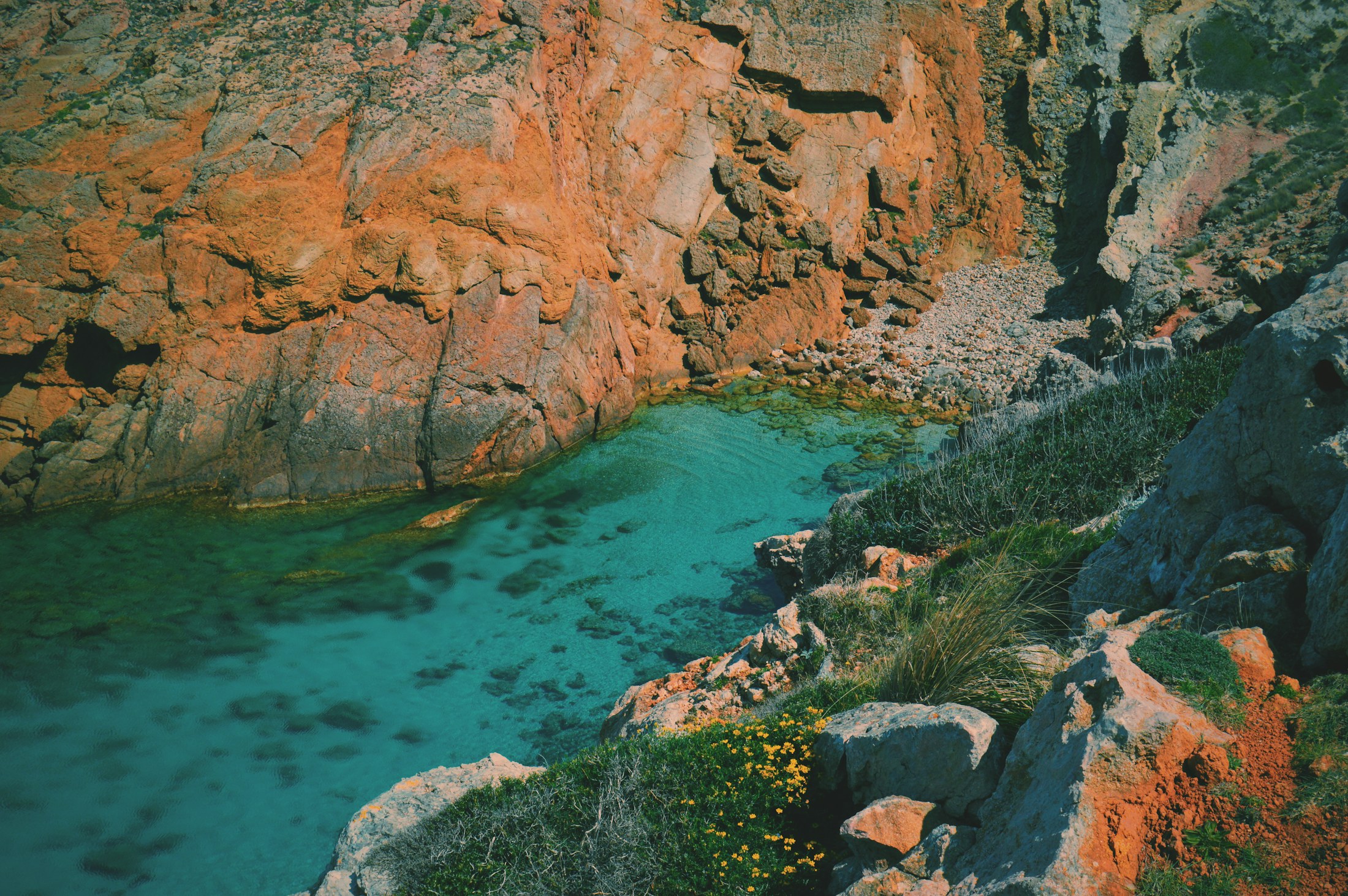
The coast is varied too: the north is rugged, rocky and windswept, with reddish beaches and Fornells, famous for its lobster stew (caldereta), while the south is gentle, with pines running down to turquoise coves such as Cala Macarella and Cala Turqueta. Es Castell and Binibeca Vell tempt with little white houses by the sea.
Life here flows calmly: the beach, sailing, dinner at the harbour and cheeses from Maó. In winter the island is very quiet – for some its greatest charm, for others a challenge.
According to AEMET climate normals (1981–2010) for the Menorca Airport station, the average temperature is around 10.8°C in January (average maximum around 14.1°C) and around 25.4°C in August (average maximum around 29.2°C). Annual sunshine totals around 2,632 hours, with around 546 mm of rainfall.
Summers are warm and sunny, winters mild but windy and damp – characteristic is the tramuntana from the north, which can blow for several days in a row and even shapes the trees in the north of the island. Heating and dehumidifying are useful in homes, especially in old stone buildings.
The season runs from May to October, and June and September are the best time for long stays. Maó and Ciutadella are suitable for year-round living, although the winter pace is very quiet and many seaside developments empty out.
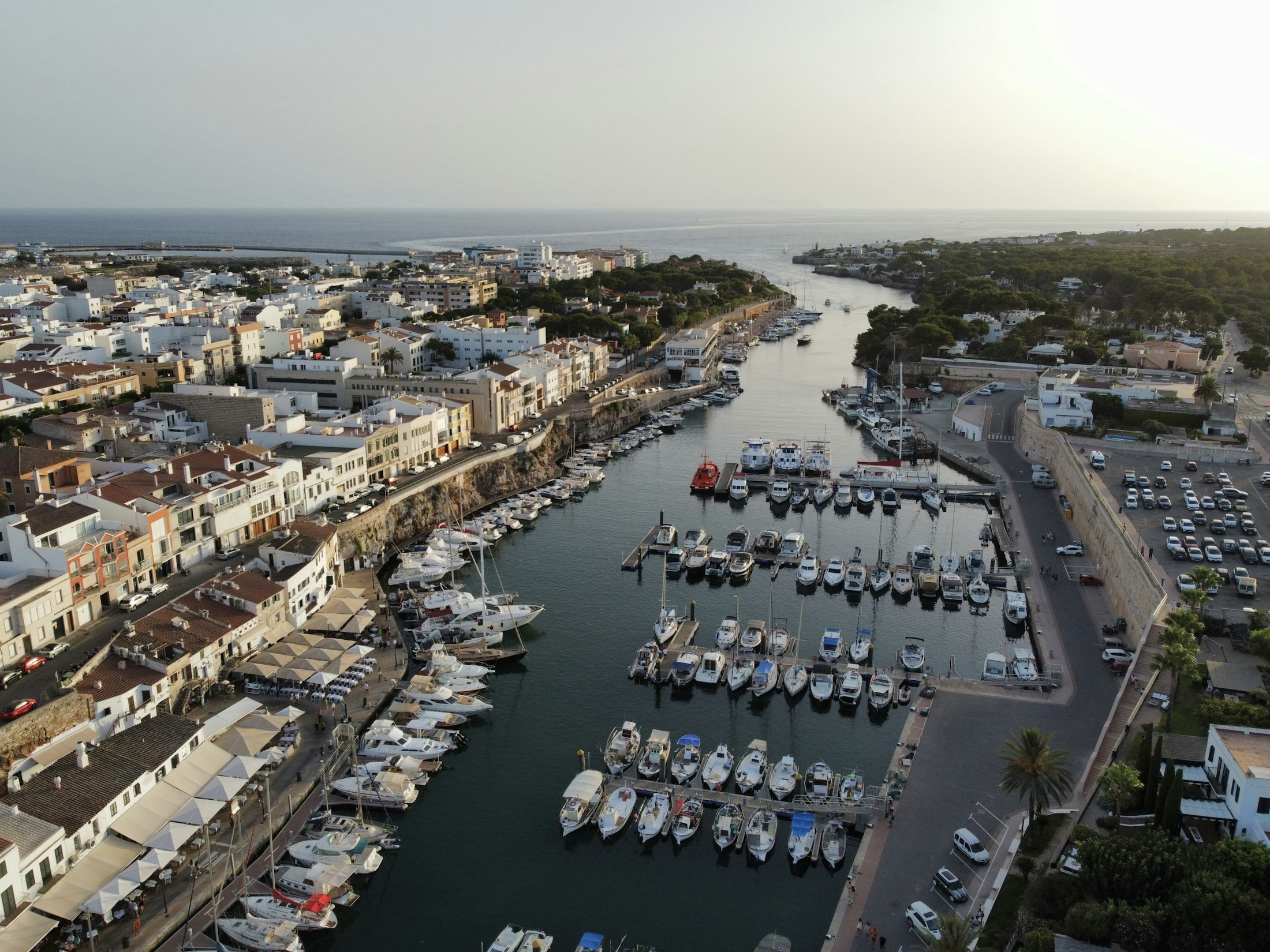
The year-round capital, with a harbour, a hospital, historic townhouses and homes overlooking the bay. Full infrastructure and close to the airport – the best choice for permanent living.
A historic town with palaces and a harbour, close to the most beautiful coves of the south and west. Atmosphere, elegance and year-round life, with a slightly longer drive to the airport.
Georgian houses by the Cales Fonts harbour and views of the entrance to Maó's bay. Intimate and charming, with the capital's services a few minutes away.
Little white houses by the sea and quiet villa developments in the south-east, close to Maó and the airport. For families and sun lovers.
A fishing village in the north on a sheltered bay, ideal for lovers of sailing, windsurfing and peace. Very limited supply.
Inland towns with traditional houses, markets and cheese dairies. No sea outside the window, but year-round life and usually lower prices.
Seaside developments by the island's longest beaches and most beautiful coves. Ideal for the summer, very quiet in winter.
Limitations worth knowing about:
Year-round living is best planned in Maó, Ciutadella, Es Castell or the inland towns – that is where normal life goes on all year round. It is a good place for remote workers who value quiet and do not need what a city offers.
A second home is Menorca's natural role: family summers by a cove, spring walks along the Camí de Cavalls and autumn sailing. A house in town works better for frequent short stays, and a villa on a seaside development for longer holidays.
As an investment Menorca is distinctly seasonal, and holiday letting in the Balearics requires a licence and is strictly regulated. The Balearic Decreto-ley 4/2025 (in force since April 2025) does not allow new tourist places to be created in flats in apartment blocks. Holiday lets on Menorca are also subject to local regulations – before buying, check the current requirements and the licence status of the specific property. We do not provide profit forecasts.
The character of the market. The market is small and calm, with buyers from Barcelona and the rest of Spain, the UK and, increasingly, France. Nature protection means there is little new building, and the supply of houses with character and sea access is limited. Prices are usually lower than on Ibiza or in the most prestigious parts of Mallorca, but noticeably higher than on the mainland.
This information is general in nature and does not constitute legal or tax advice. Before buying, it is advisable to consult an independent lawyer and tax adviser.
Menorcan architecture means white houses with green shutters, dry-stone walls marking out the fields and gates made of olive wood (barreres). British influence is visible in Maó: sash windows and the distinctive bay windows known as boínders. In the countryside, simple whitewashed llocs with courtyards predominate, and the landscape is completed by stepped stone shelters for livestock (ponts).
Interiors suit a light, calm minimalism: white, olive wood, linen, wicker and stone, with touches of green and sea blue. Simplicity, light and nature – just like the island itself. It is worth turning to local craftsmanship: ceramics, olive-wood pieces and textiles that give a home a Menorcan character without overdoing it.
Menorca is the Balearics in their quiet, natural and family-friendly version. It works as a holiday home or a place for long stays, and Maó and Ciutadella also suit year-round living. It calls for accepting the wind, the winter quiet and building restrictions. If you need more urban life and infrastructure, consider Mallorca.
Sources: AEMET – climate normals for Menorca Airport (1981–2010) · Aena – Menorca Airport · UNESCO – Talayotic Menorca · Govern de les Illes Balears – Decreto-ley 4/2025 · BOE – Real Decreto 1312/2024 (short-term rental register). Information as of September 2026.
Tell me about your plans. I will help you choose the right location and find a property that suits your lifestyle.
Explore also