An island with two faces: famous for its energy and nightlife, yet full of quiet, pine forests, white country houses and hidden coves. Ibiza is one of the most exclusive property markets in the Mediterranean.
Ibiza is an exclusive and demanding market, but for many people the island has something that is hard to find elsewhere – a blend of nature, design and a unique energy. It may be for you if:
It is not a good choice on a limited budget, if you plan to buy for holiday letting, or for those who need plenty of flight connections in winter.
Ibiza is the third-largest of the Balearic Islands. Its capital, Eivissa, has Dalt Vila, an old town ringed by Renaissance walls – part of the UNESCO-listed site "Ibiza, Biodiversity and Culture", together with the posidonia meadows that make the water around the island so clear.
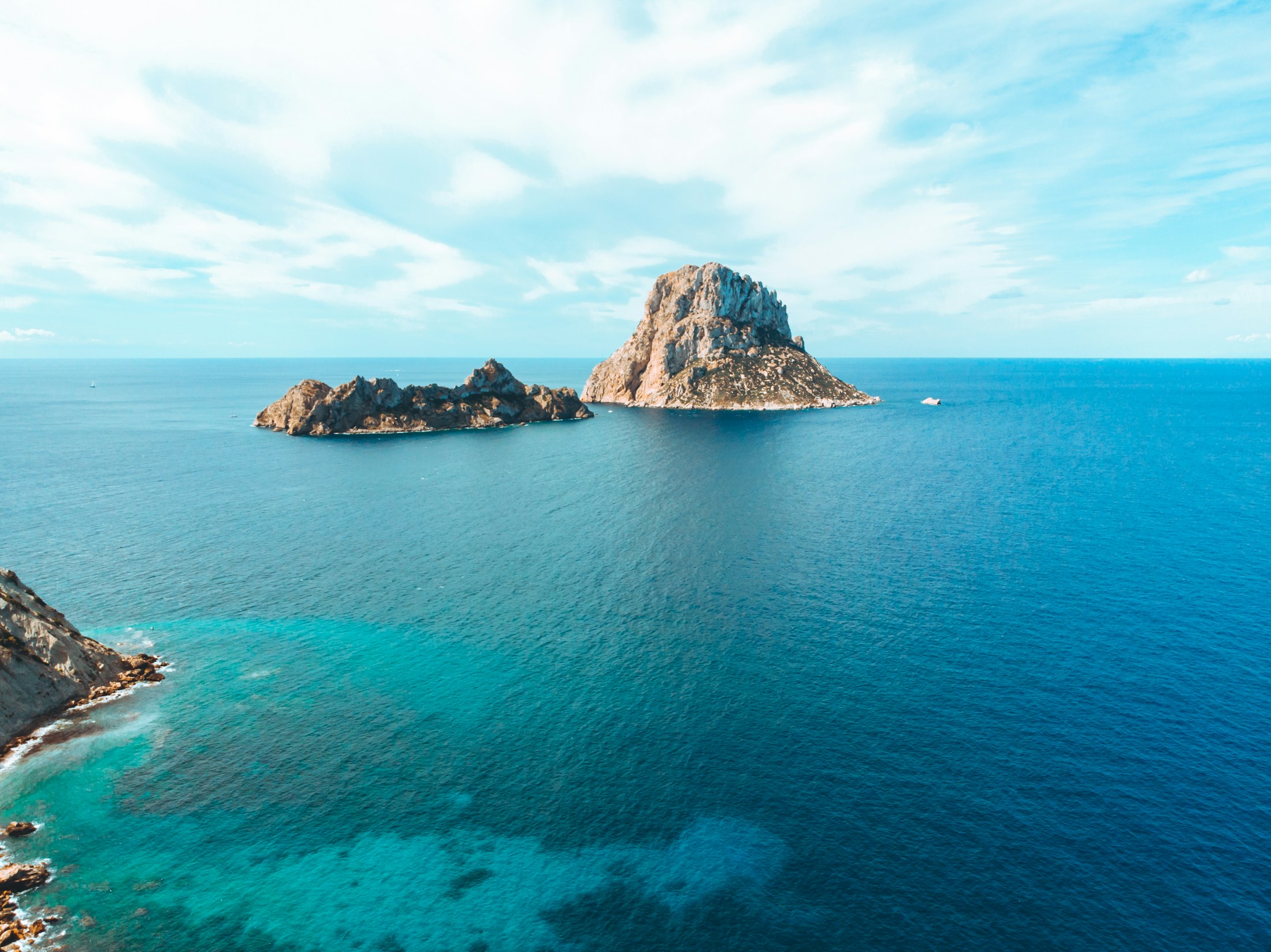
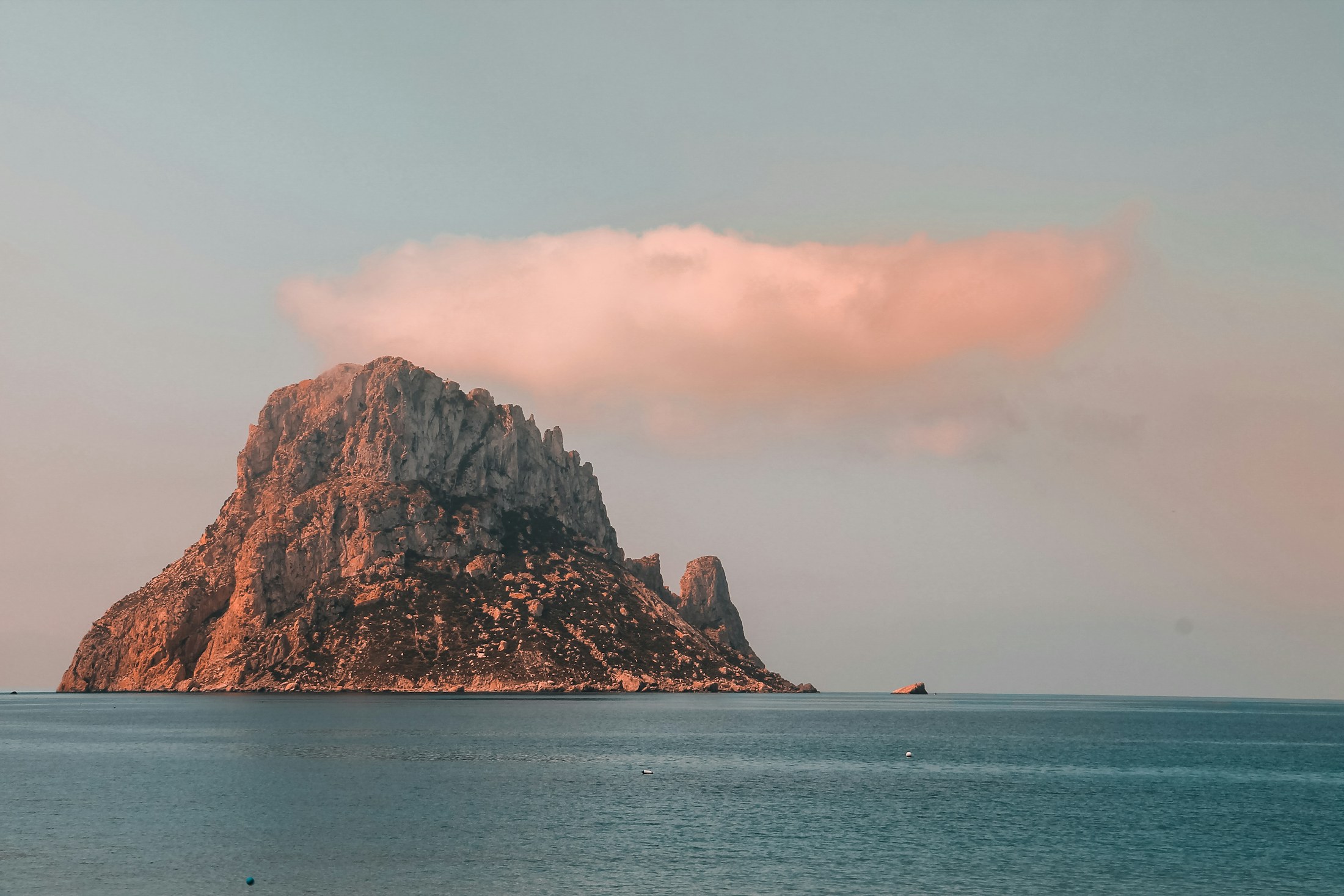
Each part of the island has its own character. The west, with Sant Josep and Sant Antoni, is famous for its sunsets, views of the Es Vedrà rock and the most exclusive villas – but also for the intense nightlife in Sant Antoni itself. Santa Eulària des Riu is a calm, family-friendly town on the river and the sea, with a promenade and a harbour. The north – Sant Joan, Sant Llorenç and Sant Carles – is rural, green Ibiza: hippy markets, fincas, pine-covered hills and small coves.
The lifestyle depends on where you are: from beach clubs and restaurants to mornings on a terrace overlooking pine-covered hills. Out of season the island becomes surprisingly calm – some restaurants and hotels close, and Ibiza moves to the rhythm of its residents. Spanish and Catalan (in its Ibizan variety) are spoken on the island, and the international community is large and diverse.
Half an hour or so away by ferry lies Formentera – an even quieter, flat island with white beaches and turquoise water, and at the same time one of the hardest property markets to access in the Balearics.
According to AEMET climate normals (1981–2010) for the Ibiza Airport station, the average temperature is around 11.9°C in January (average maximum around 15.7°C) and around 26.3°C in August (average maximum around 30.3°C). Annual rainfall totals around 413 mm.
Summers are hot and dry, winters mild and sunny, with short spells of rain and damp – in old houses with thick walls, a fireplace or heat pump and dehumidifying come in handy in winter. Spring, with almond trees in blossom in February, and autumn are the most beautiful seasons on the island.
The season runs from May to October, and in winter the island moves to the rhythm of its residents. Eivissa and Santa Eulària are well suited to year-round living; the north is very quiet in winter. The dry climate means that water is a precious resource on the island – some properties rely on wells, cisterns and water deliveries.
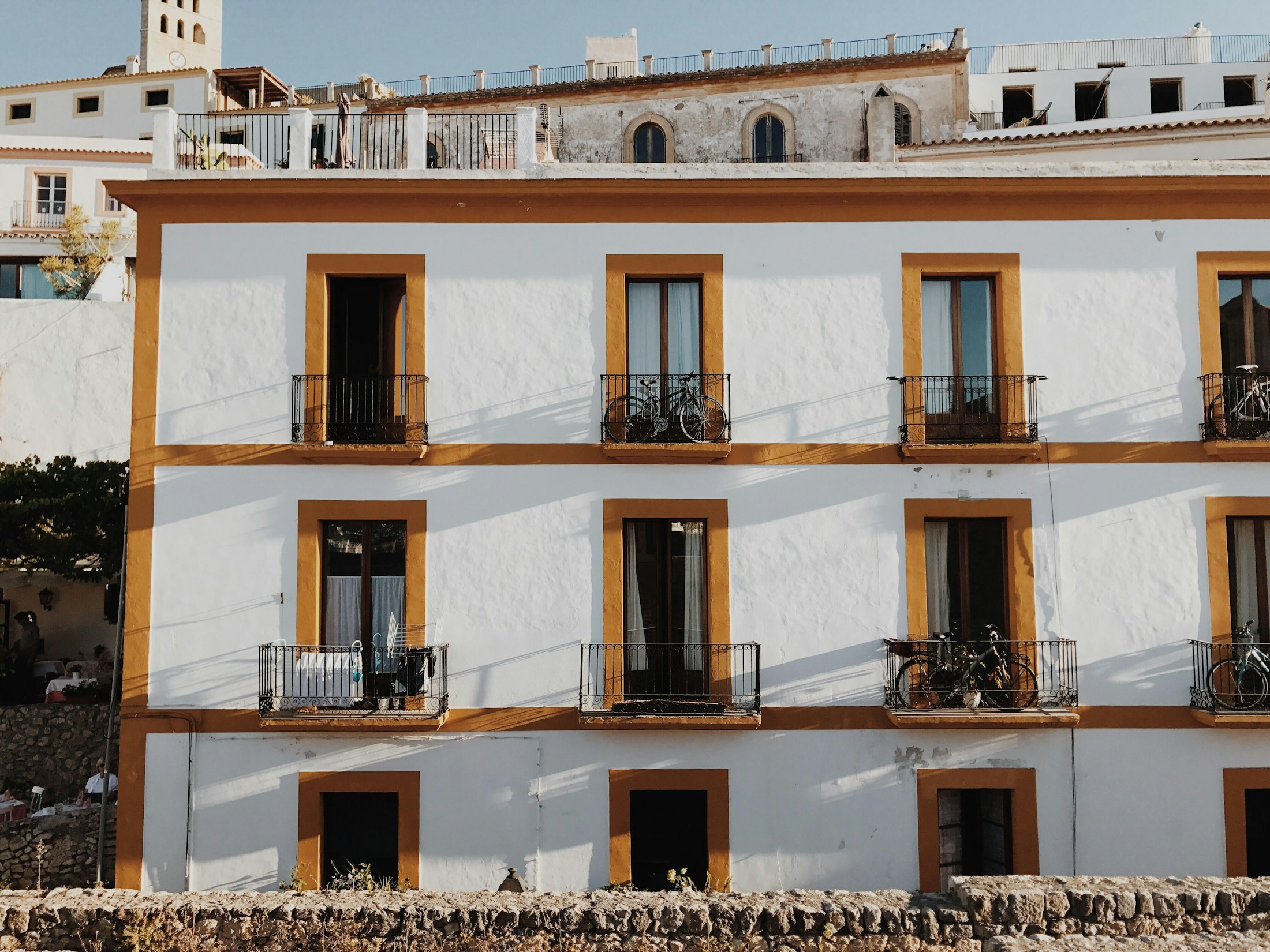
Apartments in the old town, in Marina Botafoch and by Talamanca beach. Year-round living with sea views, and restaurants and services within walking distance.
A quiet village on a hill just above the town, with views of Dalt Vila. A practical choice for those who want services close at hand but prefer to live in a house with a garden.
A family-friendly town with a promenade, harbour, schools and restaurants. One of the best places for year-round living. Nearby are Cala Llonga and Roca Llisa, with its golf course and villas.
Villas with sunset views and the most beautiful coves in the west and south. Prestigious, exclusive and with the highest prices on the island.
The calm, green north, with traditional fincas, country churches and small coves. For those seeking quiet and nature – with a longer drive to the airport and the town.
The neighbouring island, reachable only by ferry, with very limited supply and strict building rules. For those seeking absolute tranquillity who accept the logistics of life on a small island.
Limitations worth knowing about:
Year-round living is possible mainly in Eivissa, Jesús and Santa Eulària – that is where the schools, clinics, hospital and services are, 12 months a year. The north is beautiful in winter but very quiet, and driving becomes part of everyday life.
A second home is the most common scenario: a finca in the north for long stays in spring and autumn, a villa with a view in the west for the summer, or an apartment in town for short trips. A house on Ibiza needs constant care while the owner is away – a real, recurring cost.
As an investment calls for particular caution. Holiday letting on Ibiza is very strictly regulated and requires a licence; it is banned in multi-family buildings, and since April 2025 regional rules (Decreto-ley 4/2025) have ruled out creating new tourist places in them across the Balearics. The Consell d'Eivissa actively pursues illegal letting, and the fines are high. Many houses do not have, and cannot obtain, a licence. We do not provide profit forecasts.
The character of the market. This is one of the most exclusive markets in the Mediterranean, with buyers from all over Europe and beyond. Supply is very limited, and the price difference between a house with a holiday-let licence and one without can be huge. Many transactions take place discreetly, off-market. At the same time, the island is grappling with a serious shortage of housing for permanent residents, which shapes the authorities' policies.
This information is general in nature and does not constitute legal or tax advice. Before buying, it is advisable to consult an independent lawyer and tax adviser.
The traditional casa pagesa is a white, cubic house with thick walls, a flat roof, small windows and beams of sabina (juniper) wood. It grew in modules – new rooms were added as the family's needs changed – and its heart was the porxo, a covered entrance space. This simple, functional architecture inspired many Modernist architects who visited the island in the 20th century.
Interiors are ruled by white, raw wood, linen, wicker, clay and stone – minimalism with warmth. A well-designed Ibizan interior combines simplicity with comfort and opens onto the terrace and garden. When renovating, it is worth keeping the thick walls, sabina beams and small windows – they keep the house cool in summer – and bringing in light through new, carefully considered openings onto shaded terraces.
Ibiza offers an exceptional lifestyle, nature and design – in return it demands a high budget and acceptance of strict regulations. The north of the island offers surprising quiet, the west views and prestige, and Eivissa and Santa Eulària year-round life. If you prefer more variety and infrastructure, consider Mallorca; if you want quiet and nature, Menorca.
Sources: AEMET – climate normals for Ibiza Airport (1981–2010) · Aena – Ibiza Airport · UNESCO – Ibiza, Biodiversity and Culture · Govern de les Illes Balears – Decreto-ley 4/2025 · Consell d'Eivissa – illegal holiday lets · BOE – Real Decreto 1312/2024 (short-term rental register). Information as of September 2026.
Tell me about your plans. I will help you choose the right location and find a property that suits your lifestyle.
Explore also