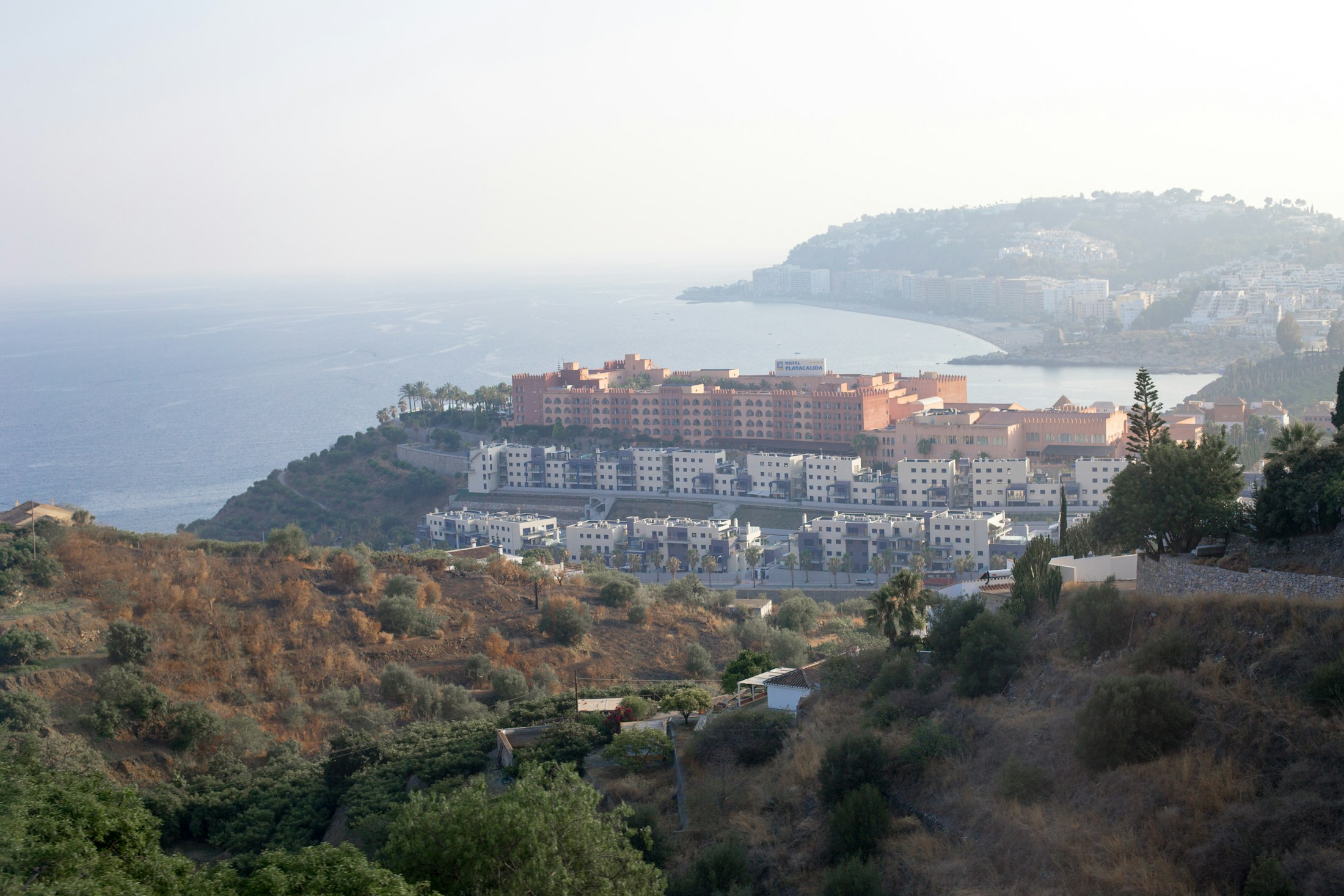
The coast of the province of Granada, sheltered from the north by the Sierra Nevada, with a microclimate in which avocados, mangoes and cherimoyas grow. The Costa Tropical means white towns perched on rocks, green hillsides and a quieter alternative to the neighbouring Costa del Sol.
The Costa Tropical is a short, mountainous stretch of coast that combines a mild climate with the proximity of Granada and the Sierra Nevada. It will particularly appeal to people who:
It is not, however, a region for lovers of wide sandy beaches, flat ground for walking or a large international community with schools and services in many languages.
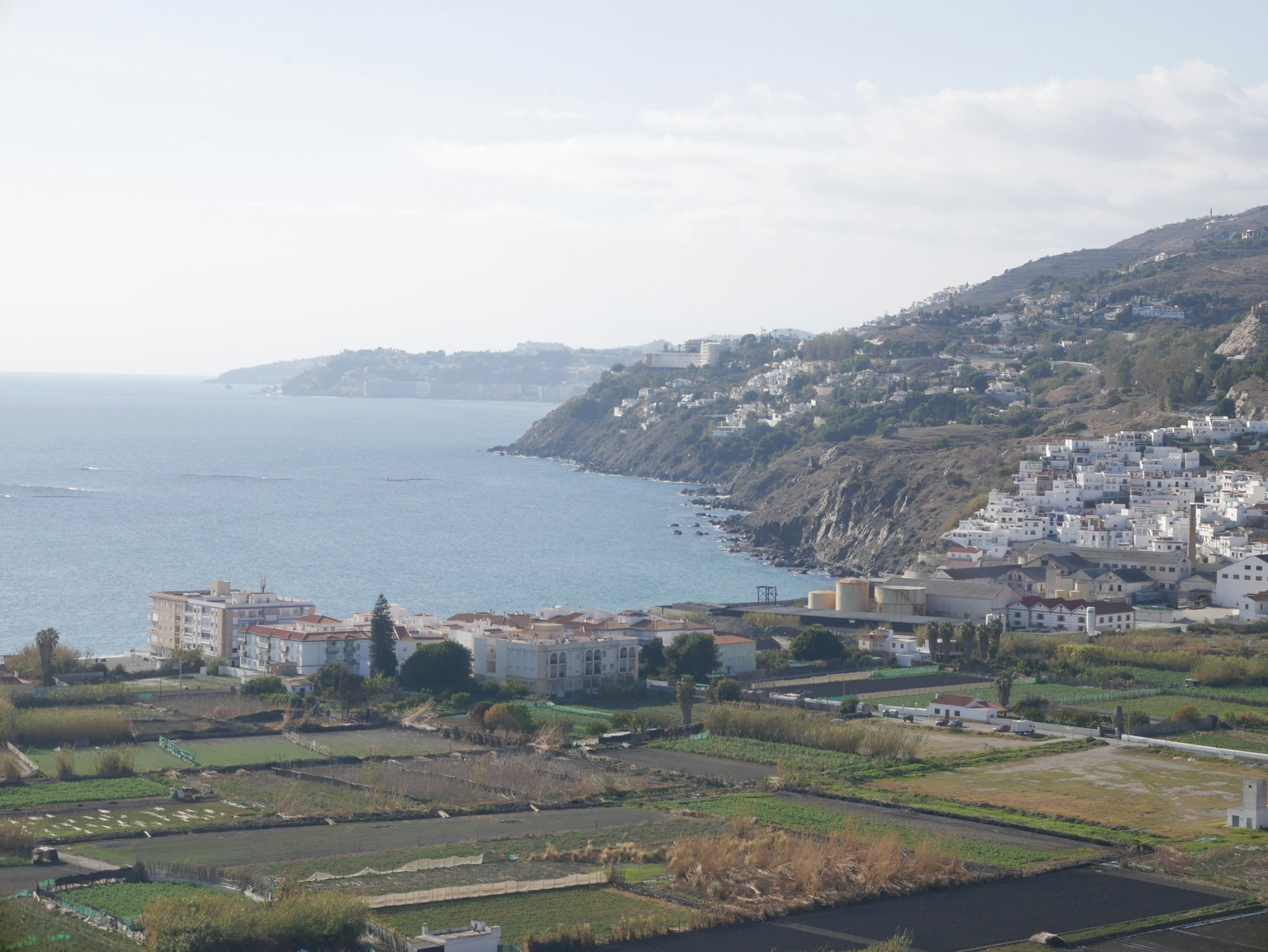
The Costa Tropical is the stretch of coast in the province of Granada, between the Costa del Sol and the Costa de Almería. Here the mountains drop straight into the sea, forming coves, cliffs and terraced slopes planted with tropical crops – the cherimoya from this coast even has a protected designation of origin.
The western part, with La Herradura, Almuñécar and Salobreña, is the most picturesque and the most popular for second homes. In the middle is Motril – a year-round town with a port, a hospital and shops, surrounded by former sugar-cane fields. The eastern part, with Calahonda, Castell de Ferro and La Rábita, is quieter, wilder and more agricultural, with greenhouse crops on the slopes.
Granada and the Alhambra are within driving distance via the A-44 motorway, and just above the coast begin the Alpujarras – white villages on the slopes of the Sierra Nevada – and the Lecrín Valley with its citrus groves. The lifestyle is calm, local and very Andalusian: tapas served with every drink, a Saturday market and evening strolls along the paseo.
The region takes its name from its subtropical microclimate: the mountains shield the coast from cold northerly winds, so winters here are exceptionally mild and tropical fruit can be grown in the sheltered valleys. Summers are warm, with a sea breeze.
There is no main AEMET station with published climate normals on this stretch of coast, so we do not give specific figures – conditions are similar to the eastern Costa del Sol. The microclimate does, however, change markedly with altitude: a house a few hundred metres above the sea will be cooler in winter, and snow sometimes falls in the Alpujarra villages.
The most pleasant seasons are spring and autumn, although winter is also kind here. In hillside houses, it is worth allowing for heating on cool nights and good wind protection for the terrace.
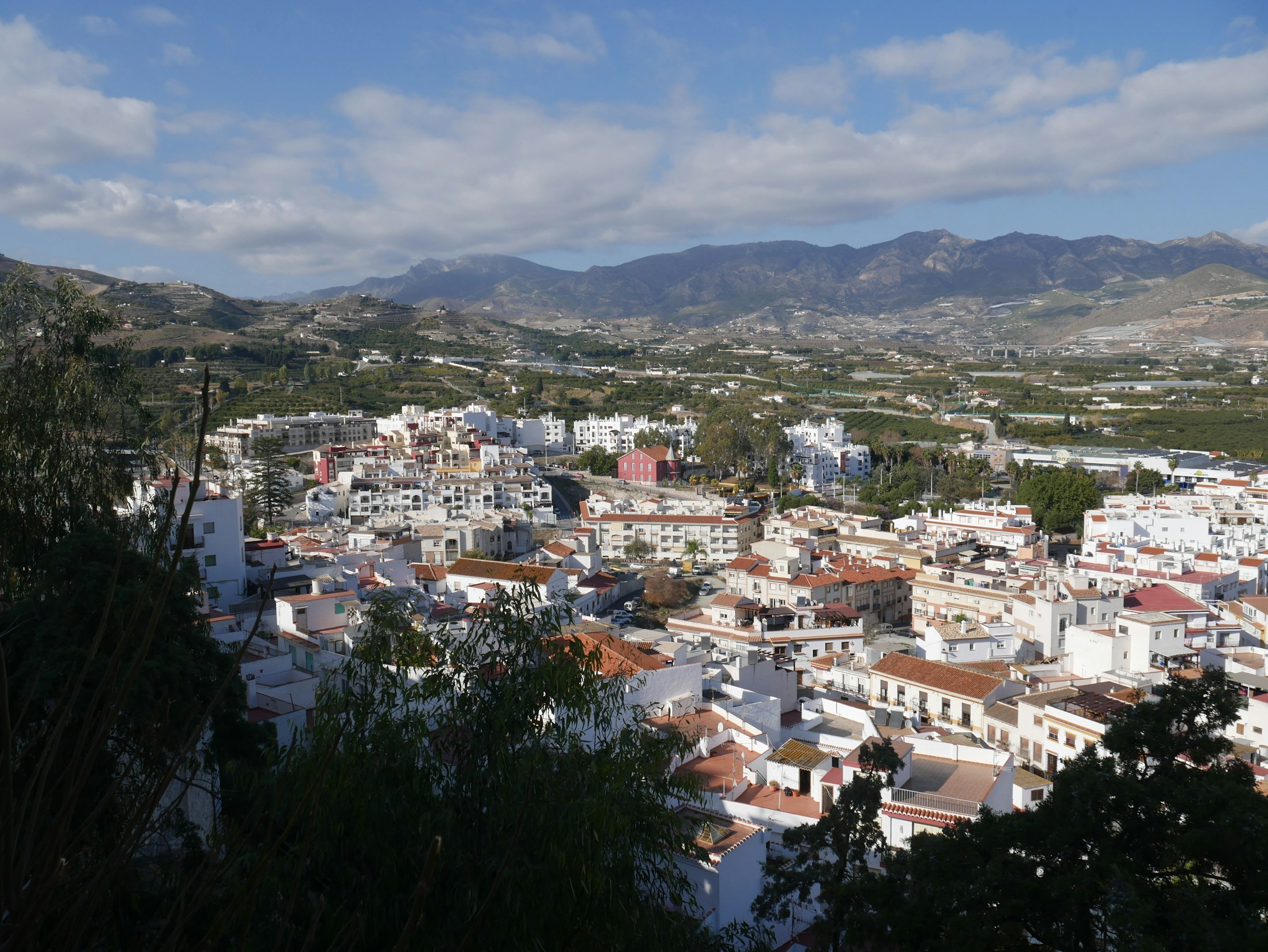
The largest town on the coast, with a castle, an old town, several beaches and year-round infrastructure. Quite a few people from northern Europe live here, alongside an ordinary Spanish town. A good place to live and for a second home.
A horseshoe-shaped bay, calm water, diving and villas on the hillsides. More intimate than Almuñécar, with a sand-and-shingle beach and water sports schools. One of the most charming spots on the coast.
Exclusive villas with sea views around a yacht harbour. For those seeking prestige and privacy – with winding, steep access roads.
White houses around a castle on a rock, beaches and former sugar-cane fields. Picturesque and intimate – for those seeking character and proximity to Motril.
A port town with full infrastructure, a hospital and affordable apartments, including at Playa Granada beach with its golf course. A practical choice for year-round living.
Quiet towns on the eastern part of the coast, with small beaches and more affordable prices. For those who value quiet and do not mind neighbouring greenhouse farms.
Country houses and fincas in the Lecrín Valley or in the white villages of the Alpujarras – with a mountain climate, views and the sea a short drive away. For those seeking a life closer to nature.
Limitations worth knowing about:
Year-round living is best planned in Almuñécar, Motril or Salobreña – that is where the clinics, schools and shops are, and Motril also has a hospital. The mild winter makes the region popular with people retiring here or working remotely.
A second home works particularly well in La Herradura, Marina del Este and Salobreña – for long stays in spring and autumn, when the weather is at its best and the towns are quiet.
As an investment the Costa Tropical offers a smaller and more seasonal rental market than the Costa del Sol, dominated by domestic tourists in summer. A holiday flat must be registered with the register kept by the Junta de Andalucía, and since 2024 municipalities have been able to limit their number under Decreto 31/2024. If the flat is in a building with a community of owners, since April 2025 three-fifths of the owners must consent to a new holiday let (Ley Orgánica 1/2025). We do not provide profit forecasts.
The character of the market. This is a small, local market: buyers include Spaniards from Granada and Madrid looking for a summer flat, and northern Europeans – particularly in Almuñécar and La Herradura. There are few new developments; most buildings date from the last decades of the 20th century. Good houses with views and easy access come up rarely.
This information is general in nature and does not constitute legal or tax advice. Before buying, it is advisable to consult an independent lawyer and tax adviser.
The architecture of the Costa Tropical means white houses with Moorish roots, narrow lanes, patios and terraces among fruit trees. From Granada comes the tradition of cármenes – houses with terraced gardens, fountains and greenery – and from the Alpujarras, flat roofs covered with grey launa clay and chimneys topped with stone "hats".
Interiors work well when white is combined with the green of plants, Granada ceramics (fajalauza), wood and wrought iron. A patio with plants and a fountain can be the heart of the house, while in hillside villas it is the terrace with a pergola where most of the day is spent. In houses on several levels, it pays to keep the materials consistent so the house does not look like a collection of separate floors.
The Costa Tropical is a calm, green and authentic coast with an exceptionally mild climate and Granada and the mountains close at hand. It will suit those who value nature, views and Andalusian character more than wide beaches and resort amenities. If you are looking for an international lifestyle and a wide range of services, consider the Costa del Sol; if you want even more space and sunshine, the Costa de Almería.
Sources: Aena – Málaga-Costa del Sol Airport · Aena – Granada-Jaén Airport · Junta de Andalucía – tourism register · BOJA – Decreto 31/2024 (holiday flats in Andalusia) · BOE – Ley Orgánica 1/2025 (amendment to the Ley de Propiedad Horizontal). Information as of September 2026.
Tell me about your plans. I will help you choose the right location and find a property that suits your lifestyle.